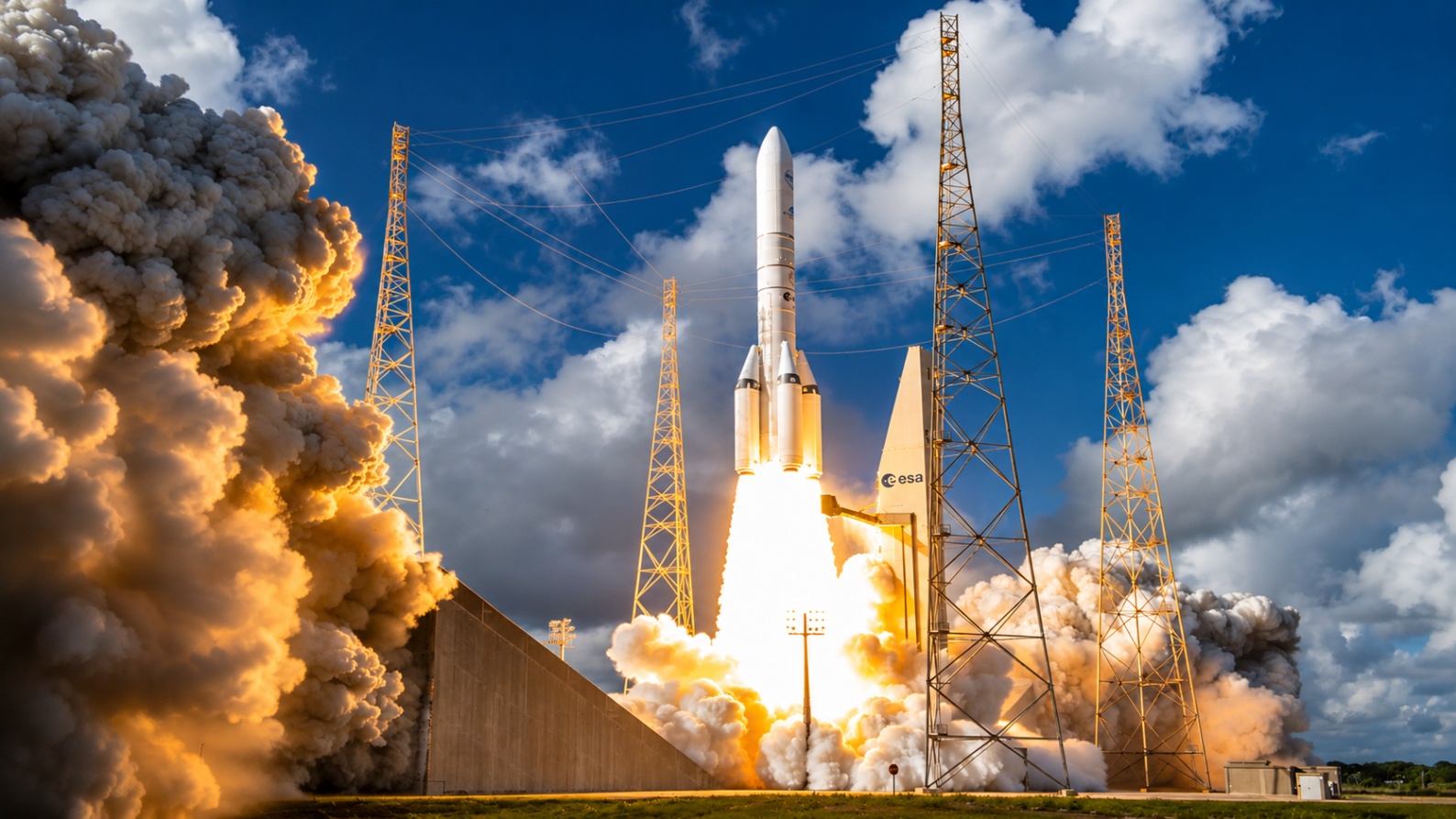
India’s Space Economy Set to Reach USD 40–45 Billion in the Next Decade
Key points
In the News
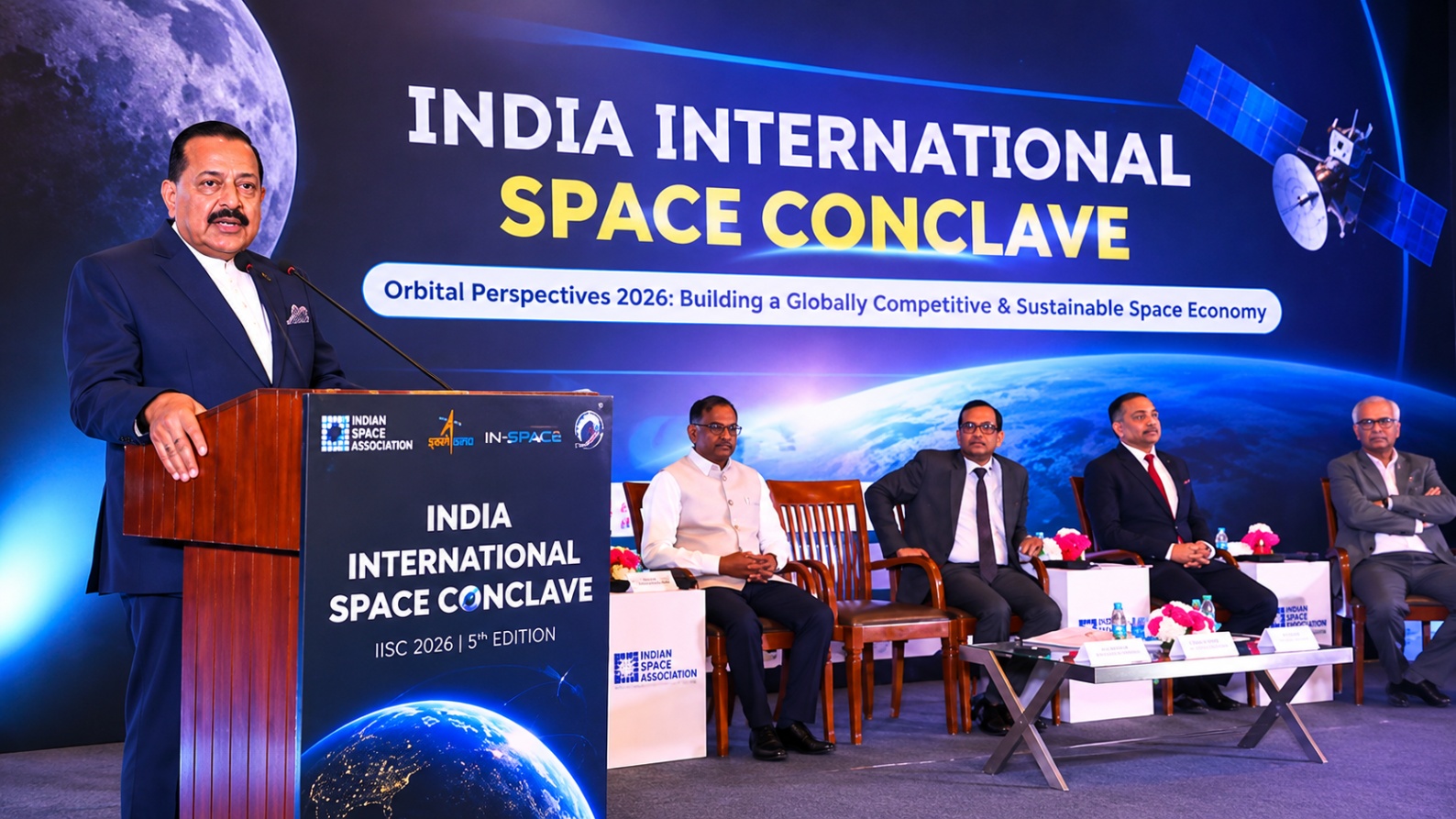
On 24 November 2026, Union Minister Dr. Jitendra Singh announced that India’s space economy, currently valued at approximately USD 9 billion, is projected to reach USD 40–45 billion in less than a decade.
He made the announcement at the fifth India International Space Conclave 2026 in New Delhi, highlighting the contribution of private enterprises, investment and technological innovation.
Background
India opened its space sector to private participation in 2020. The Indian Space Policy 2023 further strengthened commercial opportunities in satellite manufacturing, launch services and space-based applications.
These reforms aim to transform India into a globally competitive space economy.
Key Highlights
India's space economy is expected to expand nearly fivefold.
The Indian space ecosystem has grown to approximately 400–500 companies.
Private investment and indigenous technology are major growth drivers.
Space technology supports infrastructure, agriculture, healthcare, communication, railways and defence.
Space-based applications under PM Gati Shakti improve infrastructure planning and reduce project costs.
The conclave was organised by the Indian Space Association (ISpA).
India's Space Economy Growth Projections
Year | Space Economy |
|---|---|
2023 | USD 8.4 billion |
2026 | USD 9 billion |
2033 | USD 44 billion (Projected) |
2040 | USD 100 billion (Projected) |
India aims to increase its share of the global space economy to approximately 8% by 2033 and 10% by 2040.
Major Government Initiatives
Indian Space Policy 2023: Encourages commercial and private space activities.
IN-SPACe: Promotes and authorises private space activities.
NSIL: Commercialises space technologies and services.
Venture Capital Fund: ₹1,000 crore fund supporting space startups.
Technology Adoption Fund: ₹500 crore initiative supporting space technology development and adoption.
FDI Policy in the Space Sector
Category | Automatic Route Limit |
|---|---|
Satellite manufacturing and operations | 74% |
Launch vehicles and spaceports | 49% |
Satellite and ground-segment components | 100% |
Important Facts for Competitive Exams
ISRO established: 1969.
ISRO headquarters: Bengaluru.
NSIL established: 2019.
IN-SPACe established: 2020.
Indian Space Policy: 2023.
Space sector FDI reforms: 2024.
National Space Day: 23 August.
Quick Revision
India's space economy is currently valued at nearly USD 9 billion.
The economy is projected to reach USD 40–45 billion in less than a decade.
India targets a USD 100 billion space economy by 2040.
IN-SPACe facilitates private sector participation.
NSIL is the commercial arm of ISRO.
Private investment and technological innovation are major growth drivers.