Left-Wing Extremism and India's Anti-Naxal Strategy 2026
Key points
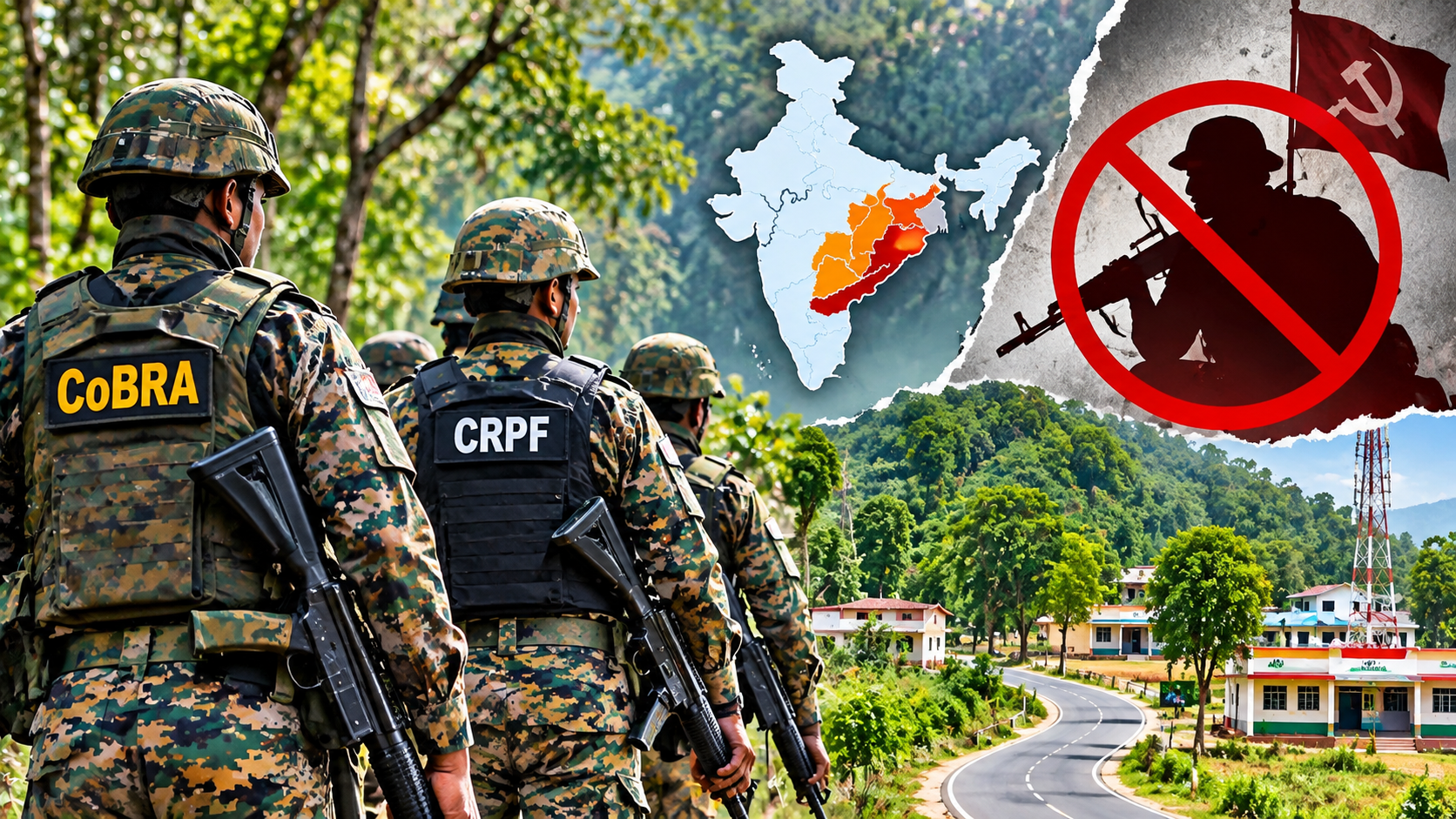
Left-Wing Extremism (LWE), commonly known as Naxalism, refers to armed insurgency associated with Maoist groups that seek political change through violence.
India has adopted a comprehensive anti-Naxal strategy combining security operations, infrastructure development, intelligence coordination, surrender and rehabilitation policies, and protection of tribal communities' rights.
According to the Ministry of Home Affairs (MHA), India achieved its target of having no district officially classified as LWE-affected by March–April 2026. However, continued security surveillance and development programmes remain necessary to prevent a resurgence.
What is Left-Wing Extremism?
The Naxalite movement originated from the Naxalbari uprising of 1967 in West Bengal.
Over time, Maoist insurgency spread across several states, particularly Chhattisgarh, Jharkhand, Odisha, Maharashtra, Bihar, Andhra Pradesh and Telangana.
The historically affected geographical belt is commonly called the Red Corridor.
Major factors associated with the growth of LWE include:
Poverty and socioeconomic inequality
Land disputes and displacement
Limited access to education and healthcare
Weak governance in remote regions
Tribal land and forest rights issues
Lack of employment opportunities
India's Anti-Naxal Strategy
The Government of India adopted the National Policy and Action Plan to Address Left-Wing Extremism in 2015.
The policy follows a Whole-of-Government Approach, combining security measures with development and the protection of local communities' rights.
1. Security Operations
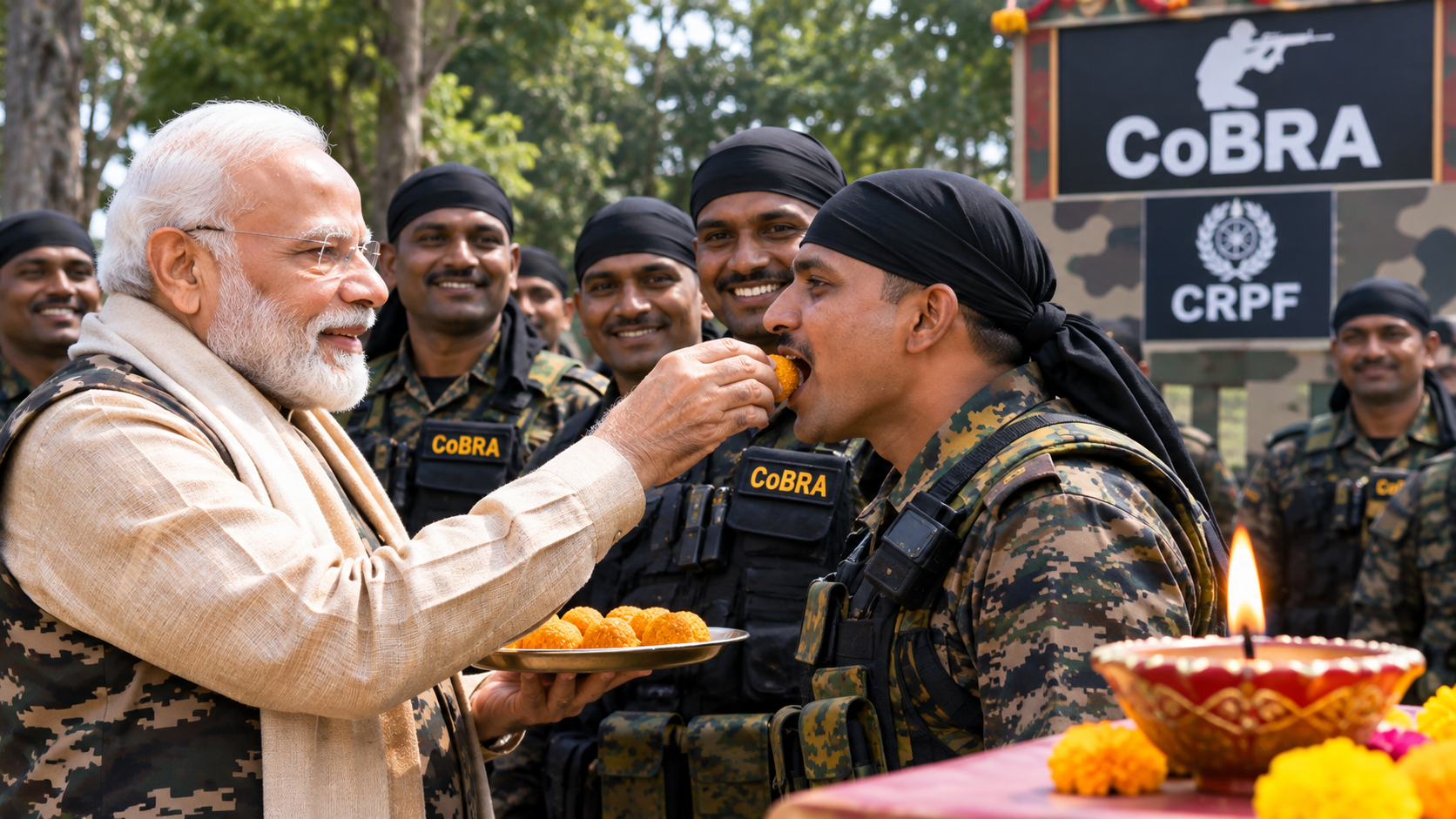
Central Armed Police Forces (CAPFs), including the CRPF and its specialised CoBRA units, support state police in counter-insurgency operations.
Measures include intelligence sharing, specialised training, fortified police stations, improved security camps and technology-supported surveillance.
2. Infrastructure Development
The government has expanded roads, mobile connectivity, electricity, schools, healthcare facilities and banking services in formerly LWE-affected areas.
Improved connectivity helps strengthen public services, economic activity and the accessibility of remote communities.
3. Surrender and Rehabilitation
Surrender policies encourage Maoist cadres to abandon violence and return to civilian life.
Assistance may include financial incentives, vocational training, livelihood support and rehabilitation benefits under applicable schemes.
4. Tribal Welfare and Governance
Development initiatives focus on improving education, healthcare, employment and access to welfare schemes.
Protecting tribal communities' rights, including land and forest rights, remains an important part of long-term peacebuilding.
5. Intelligence and Centre–State Coordination
The Ministry of Home Affairs coordinates national policy, while state governments retain primary responsibility for police and public order.
Intelligence agencies and law-enforcement bodies also work to disrupt extremist financing and organisational networks.
Major Government Schemes
Scheme | Main Objective |
|---|---|
Security Related Expenditure (SRE) Scheme | Support operational expenditure, training and rehabilitation |
Special Infrastructure Scheme (SIS) | Strengthen security infrastructure and specialised forces |
Special Central Assistance (SCA) | Address development needs in affected regions |
Road Connectivity Initiatives | Improve accessibility in remote areas |
Surrender and Rehabilitation Policies | Encourage reintegration of former extremists |
The government also reported that Naxal-related violent incidents declined from 870 in 2014 to 33 in 2026, as of 29 July 2026.
Although no district remained in the official LWE-affected category, 37 Legacy & Thrust districts continued to receive support, and one district was designated a District of Concern.
These classifications underline the importance of maintaining security and development efforts after the decline in insurgent activity.
Constitutional Provisions
Article 246: Provides for the distribution of legislative powers between the Union and the states.
Seventh Schedule: Police and Public Order fall under the State List.
Article 355: Places a duty on the Union to protect states against external aggression and internal disturbance and to ensure constitutional governance.
Fifth Schedule: Provides for the administration and control of Scheduled Areas and Scheduled Tribes in applicable states.
Challenges and the Way Forward
Despite the reported reduction in violence, long-term stability requires sustained attention to development and governance.
Key priorities include improving employment opportunities, protecting tribal rights, strengthening local institutions, maintaining public trust and preventing the re-emergence of armed groups.
Effective counter-insurgency policy must balance security, constitutional rights, rehabilitation and inclusive development.
Conclusion
India's anti-Naxal strategy demonstrates the importance of combining security operations with socioeconomic development and Centre–State coordination.
The Ministry of Home Affairs reported that no district remained officially classified as LWE-affected by March–April 2026. Sustaining this progress will depend on continued governance, development and community participation.