Telangana Education Reform 2026: 10+2 System from 2027–28
Key points
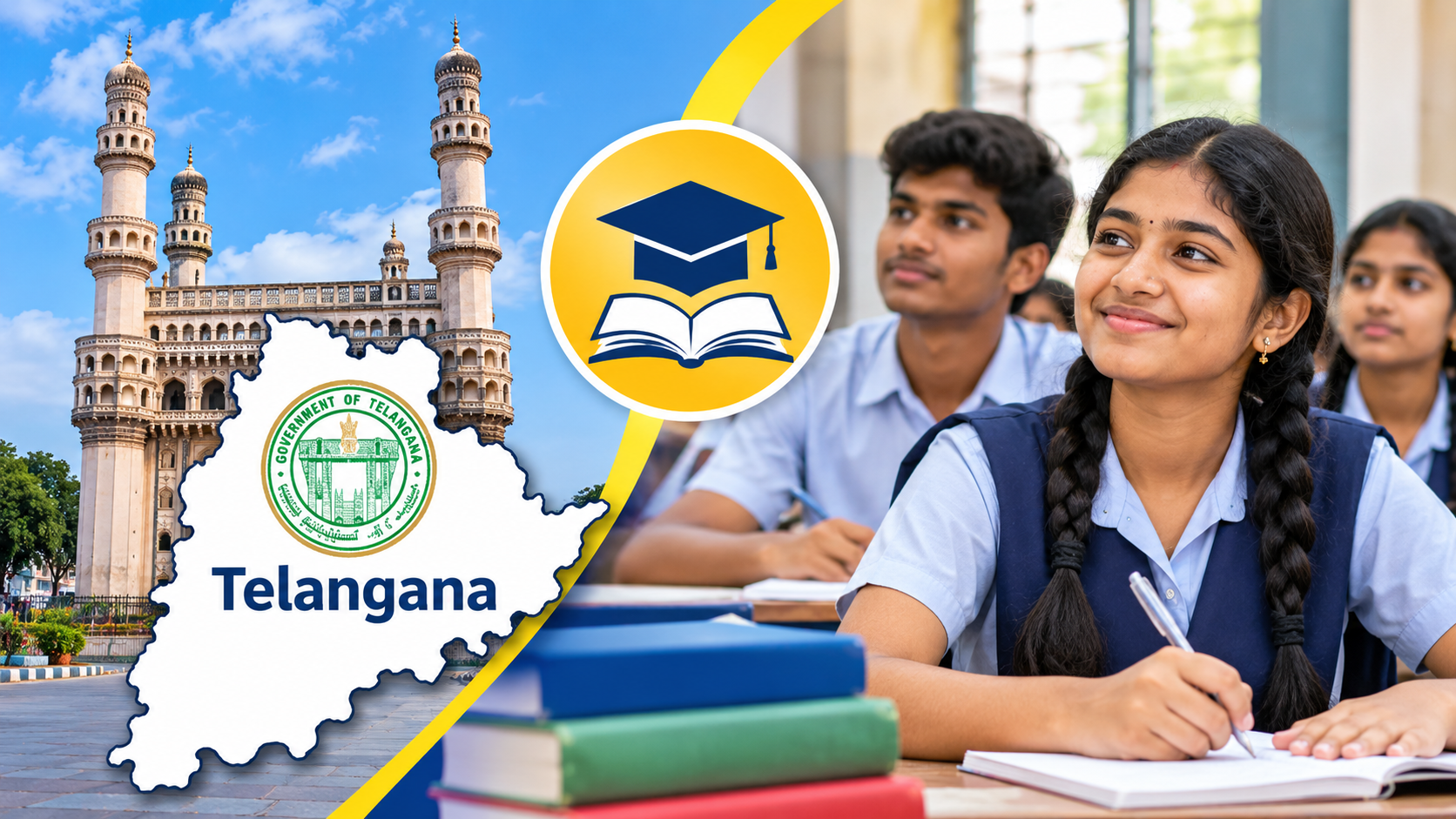
The Telangana government has announced a major reform in its education system by deciding to merge Intermediate Education with the School Education Department and introduce a unified 10+2 education structure from the 2027–28 academic year.
The decision was announced by Chief Minister A. Revanth Reddy on 11 November 2026, following a review meeting of the Education Department in Hyderabad.
Under the proposed reform, Classes 11 and 12 will become part of the school education system, replacing the existing separate junior college structure. The initiative aims to improve educational continuity, reduce student dropout rates and strengthen the quality of education across Telangana.
Key Highlights
State: Telangana
Chief Minister: A. Revanth Reddy
Announcement Date: 11 November 2026
Implementation: Academic Year 2027–28
Major Reform: Merger of Intermediate Education with School Education
New Education Structure: 10+2 System
Classes Affected: Classes 11 and 12
Main Objective: Improve education quality and reduce dropout rates
New Education Structure in Telangana
The government has proposed restructuring school education into three stages.
Education Stage | Classes |
|---|---|
Primary Education | Nursery to Class 4 |
Secondary Education | Classes 5 to 8 |
Senior Secondary Education | Classes 9 to 12 |
Under this arrangement, students would continue their education through Class 12 within the school system instead of moving to separate intermediate colleges after Class 10.
Major Objectives of the Education Reform
1. Integration of Intermediate Education
The government plans to merge the Telangana Board of Intermediate Education's functions with the School Education Department. This would create a more unified administrative framework for secondary and senior secondary education.
2. Reduction in Student Dropout Rates
According to the state government, approximately 40% of students discontinue education after Class 10. The reform aims to improve retention, particularly among girls and students from disadvantaged communities.
3. Improvement in Education Quality
The proposed system aims to provide continuous education from the primary to senior secondary level, with greater emphasis on academic development, communication skills and modern learning requirements.
4. Strengthening Government Schools
The government intends to improve school infrastructure, classrooms, sanitation facilities and other educational resources to support the expanded school system.
5. Focus on Skill Development
The reform also emphasises developing students' language, communication and practical skills, helping them pursue higher education and career opportunities after Class 12.
6. Alignment with Other Education Boards
The proposed structure is intended to bring Telangana's senior secondary education closer to the school-based Class 11–12 arrangements followed by CBSE and several other education boards.
Important Facts for Competitive Exams
Telangana Education Reform 2026: The state government announced plans to replace its separate Intermediate Education structure with a unified 10+2 school system beginning in the 2027–28 academic year.
Telangana Board of Intermediate Education: The board currently administers Intermediate First Year and Second Year education. Its functions are proposed to be integrated into the School Education Department.
Chief Minister A. Revanth Reddy: He announced the reform following an Education Department review meeting on 11 November 2026.
Kothari Commission: The Education Commission (1964–66), chaired by D. S. Kothari, recommended major reforms in India's education system, including the 10+2+3 structure.
National Education Policy 2020: NEP 2020 recommends a 5+3+3+4 curricular and pedagogical structure covering ages 3–18. This is distinct from Telangana's announced administrative restructuring.
Student Dropout Rate: The Telangana government cited an approximately 40% dropout rate after Class 10 as a major concern motivating the reform.
Conclusion
Telangana's decision to introduce a unified 10+2 education structure from 2027–28 represents a significant proposed change in the state's education administration. By integrating Intermediate Education with the School Education Department, the government aims to reduce dropout rates, improve school infrastructure and provide more continuous learning opportunities.
The implementation arrangements are still being worked out, and concerns have been raised by representatives of the existing Intermediate Education system.