Uttarakhand Statehood Day 2026: 26 Years
Key points
Uttarakhand celebrated its 26th Statehood Day on 9 November 2026, commemorating the formation of the state on 9 November 2000.
Uttarakhand was established as the 27th state of India under the Uttar Pradesh Reorganisation Act, 2000, during the tenure of Prime Minister Atal Bihari Vajpayee.
The state was initially called Uttaranchal and was officially renamed Uttarakhand on 1 January 2007.
Statehood Day, also known as Uttarakhand Foundation Day or Uttarakhand Sthapana Diwas, honours the contributions and sacrifices of people who participated in the movement for a separate hill state.
Key Highlights of Uttarakhand Statehood Day 2026
State Formation Date: 9 November 2000
26th Anniversary: 9 November 2026
Parent State: Uttar Pradesh
Original Name: Uttaranchal
Renamed Uttarakhand: 1 January 2007
State Number at Formation: 27th
Formation Law: Uttar Pradesh Reorganisation Act, 2000
Chief Minister: Pushkar Singh Dhami
Temporary Capital: Dehradun
Summer Capital: Gairsain (Bhararisain)
Uttarakhand Statehood Day 2026 Celebrations
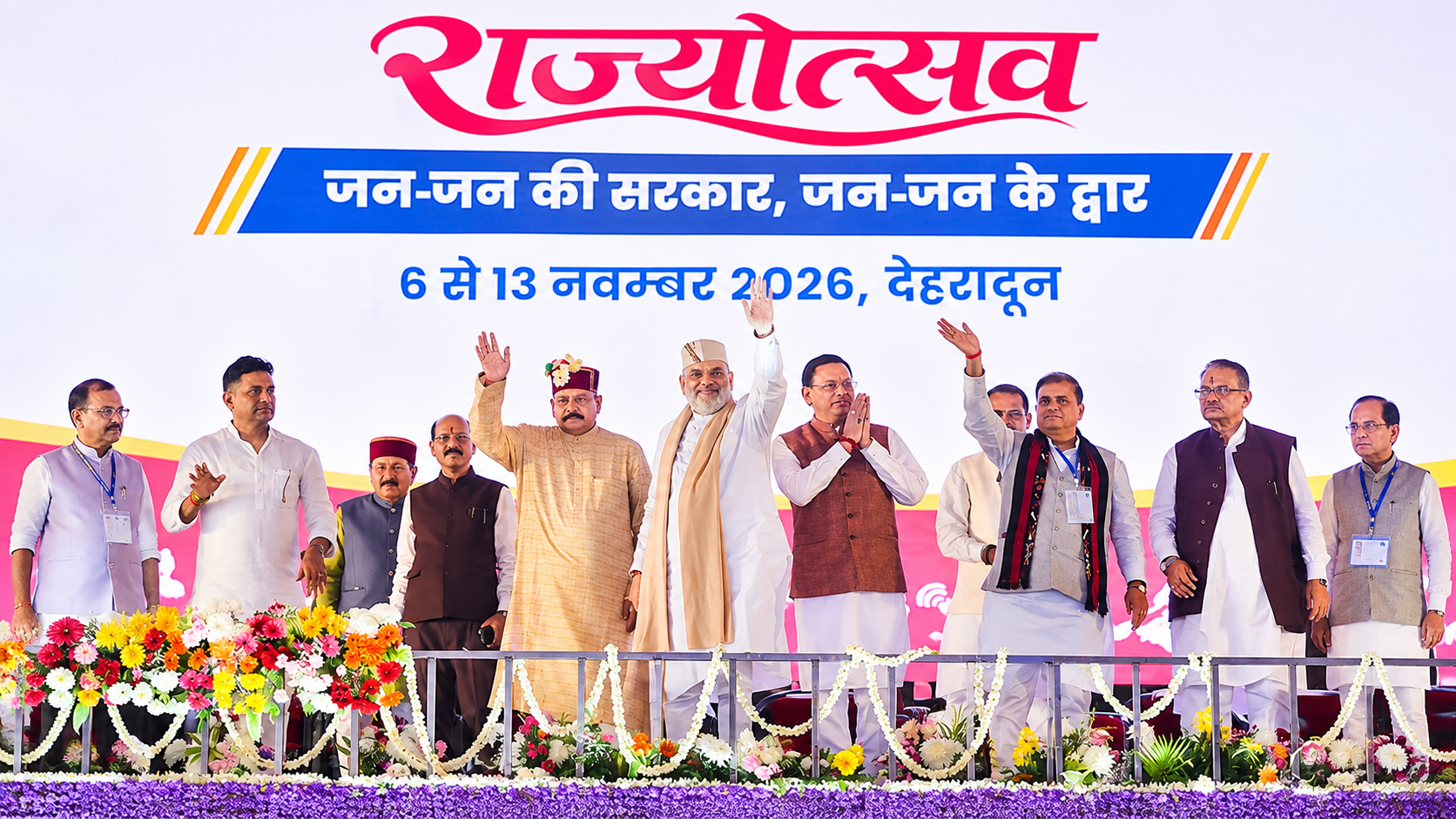
On 6 November 2026, Union Home Minister Amit Shah attended State Foundation Day celebrations in Dehradun alongside Chief Minister Pushkar Singh Dhami.
During the celebrations, development projects worth approximately ₹1,508 crore, covering 63 projects, were inaugurated or had their foundation stones laid.
The events also recognised individuals for their contributions to Uttarakhand through honours such as the Uttarakhand Gaurav Samman.
On 9 November, Chief Minister Pushkar Singh Dhami extended greetings to residents and paid tribute to the statehood movement's activists and martyrs.
The celebrations highlighted the state's development, infrastructure, tourism, cultural heritage and future priorities.
History of the Uttarakhand Statehood Movement
The demand for a separate Uttarakhand state emerged from the geographical, administrative and socioeconomic challenges faced by the Himalayan regions of Uttar Pradesh.
Residents argued that the mountainous districts required development policies suited to their difficult terrain and local needs.
The movement gained momentum during the 1990s, with participation from students, women, social organisations and political activists.
Major Events in the Statehood Movement
1979: Uttarakhand Kranti Dal (UKD) was established to advocate for a separate hill state.
1994: The statehood movement intensified, with major protests and demonstrations.
2 October 1994: The Rampur Tiraha incident near Muzaffarnagar became an important event in the movement's history.
2000: Parliament passed the Uttar Pradesh Reorganisation Act, leading to the formation of Uttaranchal on 9 November 2000.
2007: The state was officially renamed Uttarakhand.
Constitutional Provisions Related to State Formation
Article 3: Empowers Parliament to form new states and alter the boundaries, areas or names of existing states.
Article 4: Provides that laws made under Articles 2 and 3 may include amendments to the First and Fourth Schedules and related provisions.
First Schedule: Lists the states and Union Territories of India.
Uttar Pradesh Reorganisation Act, 2000: Established the new state of Uttaranchal by separating specified territories from Uttar Pradesh.
The formation of Uttarakhand is an important example of state reorganisation under the Indian Constitution.
Geography and Cultural Significance of Uttarakhand
Uttarakhand is located in northern India and is commonly known as Devbhoomi, meaning the Land of the Gods.
The state is divided into two major administrative divisions: Garhwal and Kumaon.
It is known for its Himalayan landscapes, sacred pilgrimage centres, forests, biodiversity and cultural traditions.
Major religious destinations include Badrinath, Kedarnath, Gangotri and Yamunotri, collectively associated with the Char Dham Yatra.
The state also has strategic importance because it shares international borders with China and Nepal.
Importance of Uttarakhand Statehood Day
Statehood Day recognises the struggle for regional identity, administrative autonomy and development suited to Himalayan geography.
It also provides an opportunity to review progress in road connectivity, education, healthcare, tourism, employment and environmental protection.
Major challenges include migration from hill villages, landslides, natural disasters, ecological degradation and the need for sustainable development.
Balancing economic growth with environmental conservation remains essential for the state's future.
Important Facts for Competitive Exams
Question | Answer |
|---|---|
When was Uttarakhand formed? | 9 November 2000 |
Which state was Uttarakhand separated from? | Uttar Pradesh |
Which Prime Minister was in office during formation? | Atal Bihari Vajpayee |
Which Act created Uttarakhand? | Uttar Pradesh Reorganisation Act, 2000 |
What was Uttarakhand's original name? | Uttaranchal |
When was the state renamed? | 1 January 2007 |
Which Article deals with forming new states? | Article 3 |
Where is Uttarakhand High Court located? | Nainital |
What is Uttarakhand's summer capital? | Gairsain |
How many districts are in Uttarakhand? | 13 |
Conclusion
Uttarakhand Statehood Day 2026 marks 26 years of the state's formation and honours the contributions of the people who fought for a separate Himalayan state.
Since its establishment in 2000, Uttarakhand has developed a distinct identity through its culture, natural heritage, pilgrimage tourism and strategic geographical importance.
The occasion is particularly relevant for competitive examinations under Indian Polity, History, Geography and National Current Affairs.