Women's Participation in Peacebuilding: Major UN Initiatives
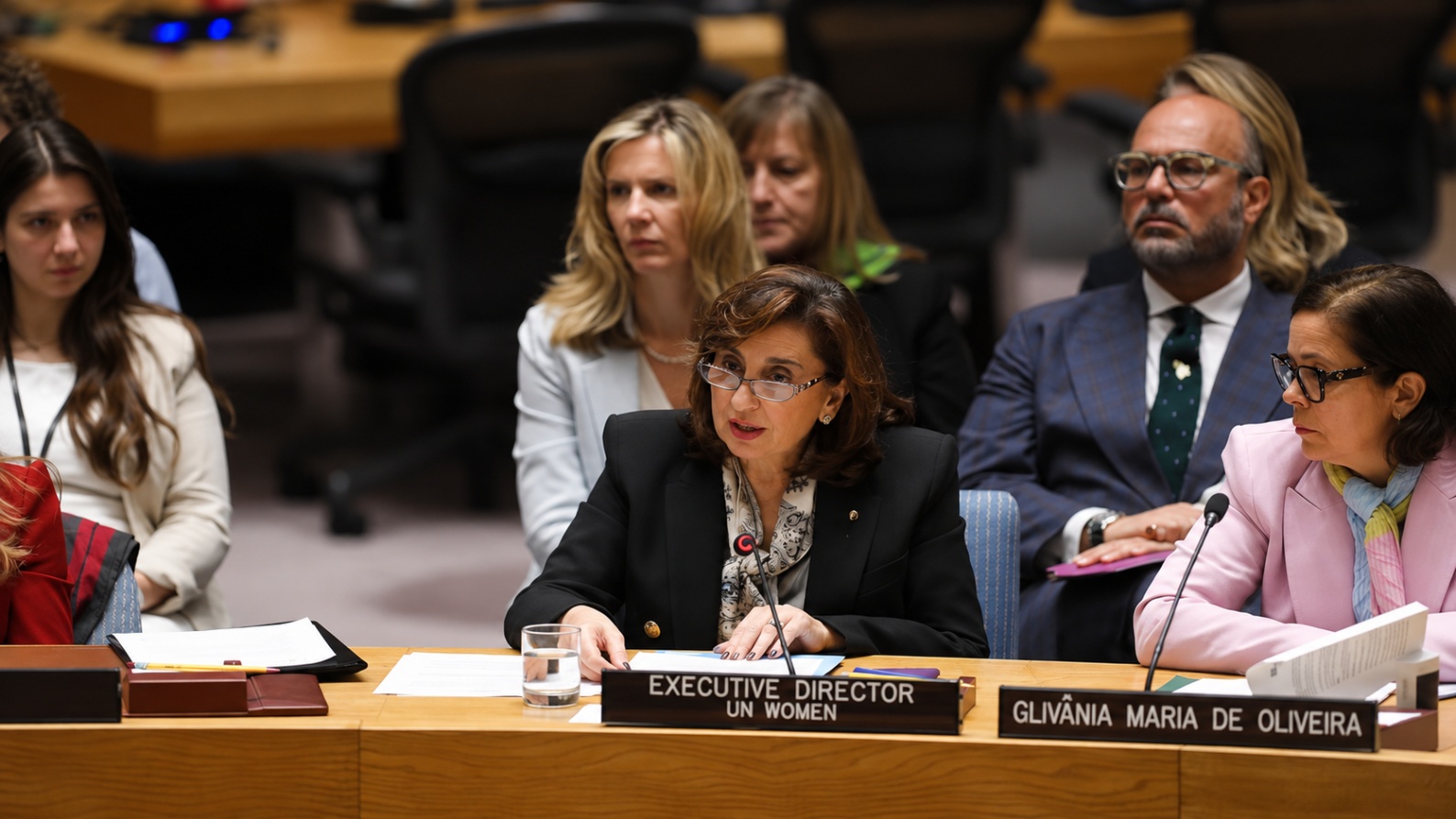
Key points
In the News
International initiatives promoting women's participation in peacebuilding have gained renewed attention as global organisations assess progress under the United Nations Women, Peace and Security (WPS) Agenda.
Despite international commitments, women remain significantly underrepresented in peace negotiations and conflict-resolution processes.
According to figures highlighted in recent assessments, women accounted for only 5% of negotiators across 57 peace processes in 2025, compared with 7% in 2024.
The findings highlight the importance of strengthening women's leadership in conflict prevention, peace negotiations, peacekeeping and post-conflict reconstruction.
Background
Women's participation in peacebuilding is essential for developing inclusive and sustainable peace processes.
The United Nations formally recognised women's role in international peace and security through UN Security Council Resolution 1325, adopted on 31 October 2000.
The resolution established the foundation of the Women, Peace and Security Agenda.
It recognises that armed conflicts disproportionately affect women and girls while emphasising their important contributions to peace negotiations, conflict prevention and reconstruction.
The WPS Agenda focuses on four major pillars:
Participation: Increasing women's representation in peace and security decision-making.
Prevention: Preventing conflicts and gender-based violence.
Protection: Protecting women and girls during armed conflicts.
Relief and Recovery: Addressing women's needs during humanitarian assistance and post-conflict reconstruction.
Key Highlights
1. UN Security Council Resolution 1325
UNSCR 1325 is the foundation of international efforts to promote women's participation in peacebuilding.
Adopted: 31 October 2000
Organisation: United Nations Security Council
Agenda: Women, Peace and Security
Objective: Promote women's participation and protect their rights during armed conflicts.
Nine subsequent Security Council resolutions have expanded the WPS framework.
More than 100 countries have adopted National Action Plans to implement the agenda.
2. UN Women
UN Women plays an important role in advancing gender equality and women's leadership in peace and security.
Its major activities include:
Supporting women's participation in peace negotiations.
Strengthening women-led peacebuilding organisations.
Promoting gender-responsive policies.
Supporting survivors of conflict-related violence.
Encouraging women's leadership in post-conflict recovery.
3. United Nations Peacebuilding Fund (PBF)
The UN Peacebuilding Fund supports initiatives designed to prevent conflict and promote sustainable peace.
Major Highlights:
Approved approximately USD 124 million for initiatives in 28 countries in 2025.
Allocated more than 38% of funding to gender equality.
Supports peacebuilding programmes in conflict-affected regions.
Promotes women's participation in reconciliation and community development.
4. Women's Peace and Humanitarian Fund (WPHF)
The Women's Peace and Humanitarian Fund is a global financing mechanism supporting women-led organisations in conflict and humanitarian crisis settings.
Key Facts:
Established in 2016.
Mobilised more than USD 276 million.
Supported over 1,800 local women's organisations.
Focuses on women's leadership, humanitarian response and peacebuilding.
5. Elsie Initiative Fund
The Elsie Initiative Fund for Uniformed Women in Peace Operations promotes women's participation in United Nations peacekeeping missions.
Key Highlights:
Supports the full, equal and meaningful participation of uniformed women in peace operations.
Helps address institutional barriers affecting women's participation.
Has supported 22 security institutions across 19 countries.
Encourages gender-inclusive peacekeeping environments.
6. United Nations Development Programme (UNDP)
UNDP supports women's participation in governance, political institutions and peacebuilding.
Its initiatives focus on:
Strengthening women's political leadership.
Supporting civil society organisations.
Preventing gender-based violence.
Addressing the underlying causes of conflicts.
Promoting inclusive and sustainable development.
7. International Civil Society Organisations
Several international organisations contribute to women's participation in peacebuilding.
Global Network of Women Peacebuilders (GNWP)
Connects more than 100 women's organisations across over 40 countries.
Promotes women's leadership in conflict prevention and peacebuilding.
Women's International League for Peace and Freedom (WILPF)
Founded during the First World War.
Recognised as the world's longest-standing women's peace organisation.
Promotes peace, disarmament and gender equality.
PeaceWomen Across the Globe
Supports women peacebuilders in conflict-affected regions.
Strengthens international cooperation and women's participation in peace processes.
Women in Peacebuilding and Leadership (WIPL)
An initiative associated with Mediators Beyond Borders International.
Promotes women's leadership in mediation, dialogue and peacebuilding.
Challenges to Women's Participation
Despite international initiatives, several challenges continue to limit women's representation.
Limited representation in formal peace negotiations.
Gender discrimination and institutional barriers.
Conflict-related sexual and gender-based violence.
Insufficient financial support for grassroots organisations.
Political instability and restricted access to decision-making.
Recent figures indicate that only 19% of peace agreements in 2025 included references to women, girls, gender or sexual violence.
Importance for International Peace and Security
Women's meaningful participation helps strengthen inclusive decision-making and community representation.
International initiatives aim to ensure that women are recognised not only as victims of armed conflict but also as leaders, negotiators and contributors to sustainable peace.
The Women, Peace and Security Agenda remains an important framework for promoting gender equality in global peacebuilding efforts.
Quick Revision
UNSCR 1325 established the foundation of the Women, Peace and Security Agenda in 2000.
The WPS Agenda focuses on participation, prevention, protection, and relief and recovery.
Nine subsequent UN Security Council resolutions expanded the WPS framework.
More than 100 countries have adopted WPS National Action Plans.
Women represented only 5% of negotiators across 57 peace processes in 2025.
The UN Peacebuilding Fund approved USD 124 million for initiatives in 28 countries in 2025.
The Women's Peace and Humanitarian Fund supports grassroots women-led organisations.
The Elsie Initiative Fund promotes women's participation in UN peace operations.
UNDP supports women's leadership in governance and peacebuilding.
WILPF is recognised as the world's longest-standing women's peace organisation.