Amit Shah Inaugurates NDRF 12th Battalion Campus in Itanagar
Key points
In the News
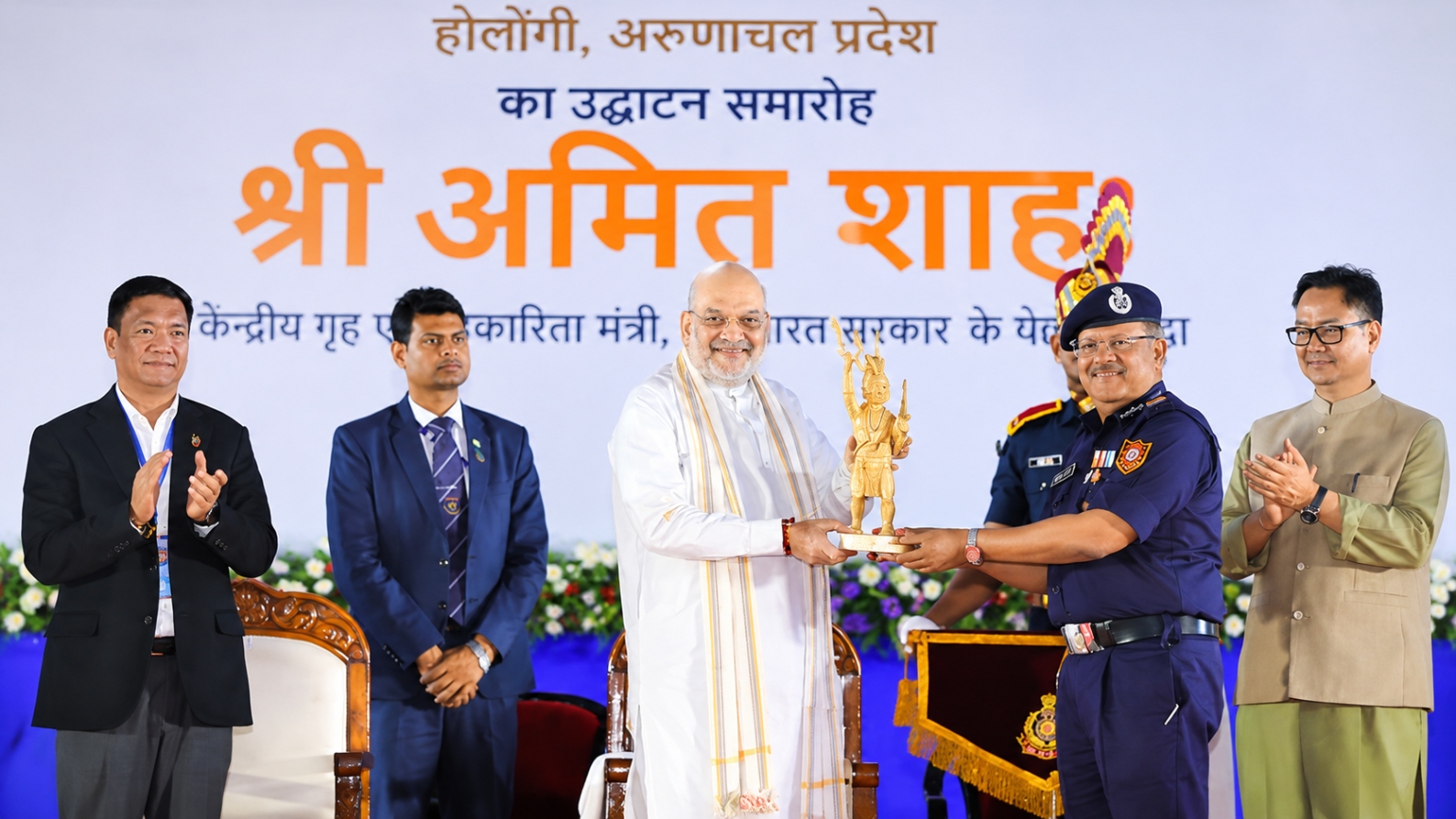
Union Home Minister and Minister of Cooperation Amit Shah inaugurated the 12th Battalion campus of the National Disaster Response Force (NDRF) at Hollongi, near Itanagar, Arunachal Pradesh, on 22 November 2026.
The new campus aims to strengthen disaster preparedness, emergency response and rescue operations across Arunachal Pradesh, the eight northeastern states and adjoining regions.
The inauguration was attended by Arunachal Pradesh Chief Minister Pema Khandu, Union Minister Kiren Rijiju, Deputy Chief Minister Chowna Mein and NDRF Director General Piyush Anand.
Background
The National Disaster Response Force (NDRF) is India's specialised disaster response force, constituted under the Disaster Management Act, 2005.
It operates under the Ministry of Home Affairs and undertakes specialised rescue and relief operations during floods, earthquakes, cyclones, landslides and other emergencies.
Northeastern India is particularly vulnerable to earthquakes, landslides, floods and extreme weather events because of its mountainous terrain, seismic activity and climatic conditions.
The new campus is intended to strengthen the region's disaster response infrastructure and improve coordination between central and state agencies.
Key Highlights
1. NDRF 12th Battalion Campus
Location: Hollongi, near Itanagar, Arunachal Pradesh.
Inaugurated by: Union Home Minister Amit Shah.
Organisation: National Disaster Response Force.
Primary objective: Strengthen disaster preparedness and emergency response.
Coverage: Arunachal Pradesh, the Northeast and adjoining regions.
Infrastructure: Buildings constructed according to earthquake-resistant standards.
2. Training Centre for Eight Northeastern States
The campus will also provide training to State Disaster Response Forces (SDRFs) from all eight northeastern states.
These states are Arunachal Pradesh, Assam, Manipur, Meghalaya, Mizoram, Nagaland, Sikkim and Tripura.
The training initiative aims to improve disaster response skills, rescue preparedness and coordination during emergencies.
3. Focus on Zero-Casualty Disaster Management
Amit Shah highlighted India's shift towards a proactive disaster management strategy based on:
Early warning systems.
Disaster prevention and mitigation.
Emergency preparedness.
Disaster risk reduction.
Rapid deployment of rescue personnel.
A zero-casualty approach to minimise loss of life.
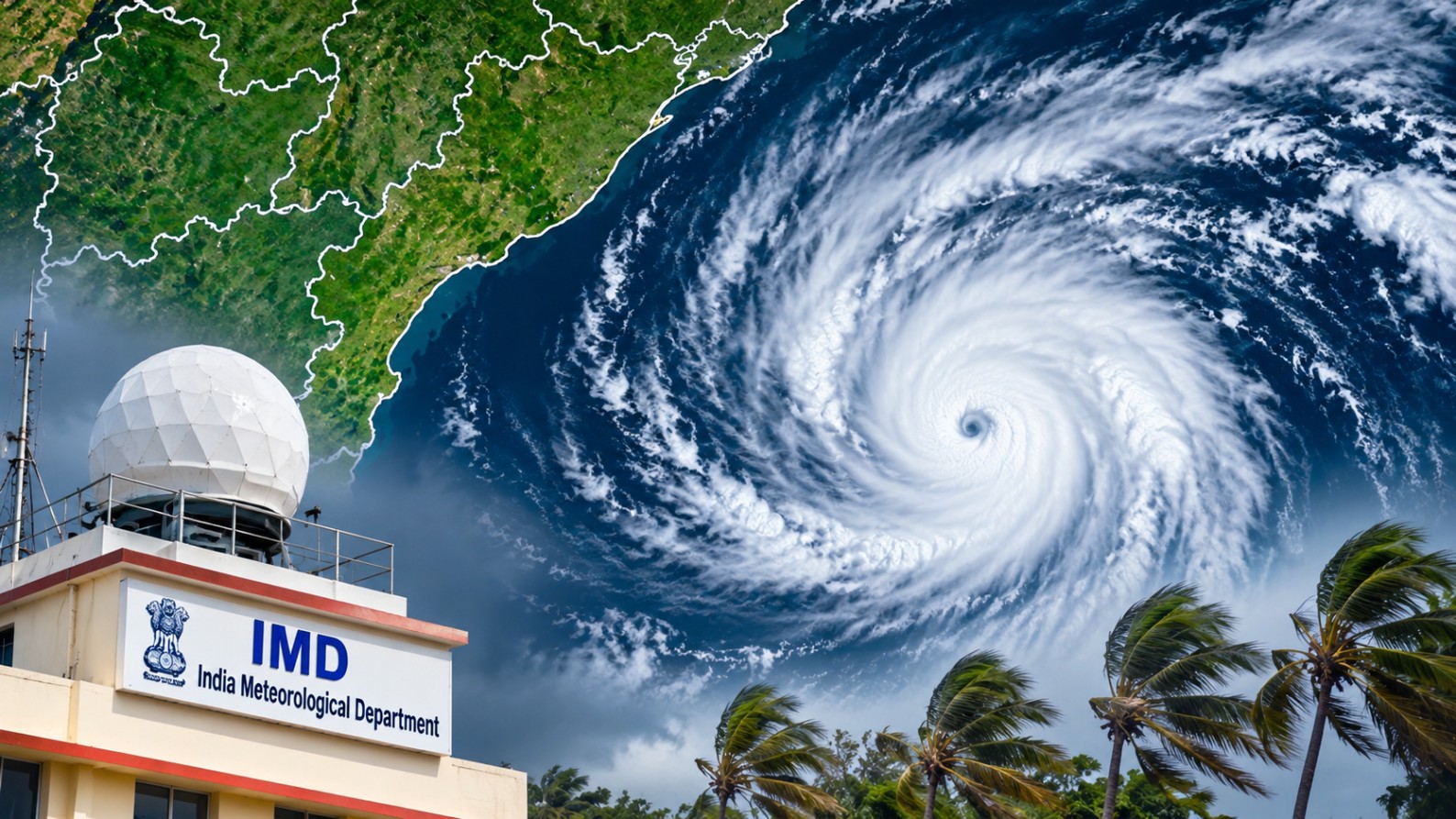
He stated that scientific and technological improvements now make it possible to issue cyclone warnings up to seven days in advance.
4. NDRF Rescue Operations
According to the Ministry of Home Affairs:
NDRF has conducted more than 11,000 rescue and relief operations.
More than 1.61 lakh lives have been saved.
NDRF has participated in international disaster response missions in countries including Nepal, Japan, Türkiye and Sri Lanka.
2026 has been declared the Year of Capacity Building for NDRF.
5. Strengthening Disaster Management Coordination
The government emphasised cooperation among the following agencies:
National Disaster Management Authority (NDMA).
National Disaster Response Force (NDRF).
State Disaster Response Forces (SDRFs).
State governments and district administrations.
The new campus is expected to support faster deployment and better coordination during natural disasters.
Important Facts for Competitive Exams
National Disaster Response Force (NDRF)
Full form: National Disaster Response Force.
Parent ministry: Ministry of Home Affairs.
Legal basis: Disaster Management Act, 2005.
Specialisation: Disaster rescue, relief and emergency response.
Current Director General: Piyush Anand.
National Disaster Management Authority (NDMA)
Established under: Disaster Management Act, 2005.
Chairperson: Prime Minister of India.
Primary role: Formulating policies, plans and guidelines for disaster management.
Disaster Management in India
India's disaster management framework emphasises prevention, mitigation, preparedness, response, recovery and rehabilitation.
The Sendai Framework for Disaster Risk Reduction 2015–2030 is an important international framework for reducing disaster-related risks and losses.
Northeast India's Disaster Vulnerability
The northeastern region faces several natural hazards, including earthquakes, landslides, riverine floods and intense rainfall.
Improved early warning systems, resilient infrastructure and specialised rescue teams are important for reducing disaster losses.
Quick Revision
NDRF 12th Battalion campus was inaugurated by Amit Shah.
Location: Hollongi, near Itanagar, Arunachal Pradesh.
The campus will support disaster response across Northeast India.
SDRFs of all eight northeastern states will receive training.
Campus buildings follow earthquake-resistant standards.
NDRF operates under the Ministry of Home Affairs.
NDRF's legal basis is the Disaster Management Act, 2005.
NDMA is chaired by the Prime Minister of India.
NDRF has conducted more than 11,000 rescue and relief operations.
More than 1.61 lakh lives have been saved by NDRF.
2026 is the Year of Capacity Building for NDRF.
India's disaster management strategy emphasises early warning and zero casualties.