Cabinet Approves ₹62,370 Crore Fertiliser Subsidy for Rabi 2026–27
Key points
The Union Cabinet, chaired by Prime Minister Narendra Modi, has approved Nutrient-Based Subsidy (NBS) rates for phosphatic and potassic (P&K) fertilisers for the Rabi 2026–27 season. The government has estimated a total subsidy requirement of ₹62,370.02 crore, approximately 64% higher than the previous Rabi season.
The decision aims to ensure the availability of essential fertilisers at affordable prices and protect Indian farmers from rising international fertiliser costs.
Key Highlights of the Cabinet Decision
Scheme: Nutrient-Based Subsidy (NBS) Scheme
Approved Budget: ₹62,370.02 crore
Applicable Period: 1 October 2026 to 31 March 2027
Previous Rabi Subsidy Budget: ₹37,952.29 crore
Increase in Budget: ₹24,417.73 crore
Fertilisers Covered: 28 grades of P&K fertilisers, including DAP and NPKS
Nodal Ministry: Ministry of Chemicals and Fertilizers
Nutrient-Based Subsidy Rates for Rabi 2026–27
The government has approved the following subsidy rates per kilogram of nutrient:
Nutrient | Subsidy Rate |
|---|---|
Nitrogen (N) | ₹94.21/kg |
Phosphorus (P) | ₹66.11/kg |
Potash (K) | ₹2.38/kg |
Sulphur (S) | ₹10.42/kg |
These rates determine government subsidy support for eligible fertilisers according to their nutrient content.
What Is the Nutrient-Based Subsidy Scheme?
The Nutrient-Based Subsidy Scheme was introduced on 1 April 2010 to provide subsidies on phosphatic and potassic fertilisers.
Under the scheme, the government provides subsidies to fertiliser manufacturers and importers based on the nutrient content of eligible fertilisers.
This mechanism helps farmers purchase fertilisers at reasonable prices while encouraging balanced nutrient application and improving agricultural productivity.
Major Benefits of the Cabinet Decision
1. Affordable Fertilisers for Farmers
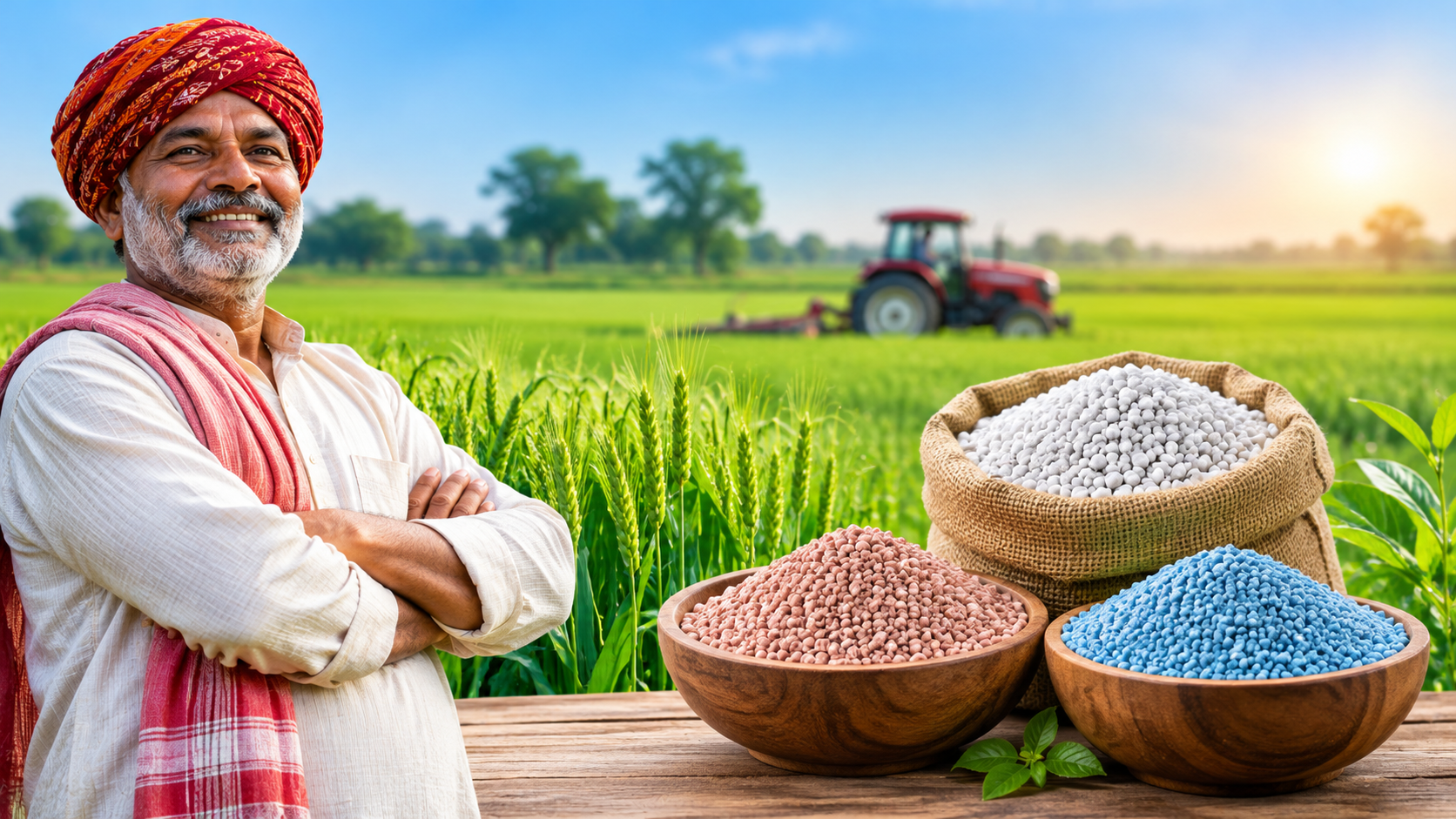
The subsidy helps ensure that essential fertilisers such as Di-Ammonium Phosphate (DAP) and NPKS remain available at reasonable prices during the Rabi cropping season.
2. Protection Against Global Price Increases
The increased subsidy allocation helps reduce the impact of rising international fertiliser prices and raw material costs on Indian farmers.
3. Support for Agricultural Productivity
Affordable fertilisers help farmers maintain crop nutrition, improve soil nutrient management and support agricultural production.
4. Improved Fertiliser Availability
The government will provide subsidies to eligible fertiliser manufacturers and importers to facilitate a smooth supply of fertilisers during the Rabi season.
Important Facts for Competitive Exams
Nutrient-Based Subsidy Scheme: Introduced on 1 April 2010, the scheme provides nutrient-linked subsidies for eligible phosphatic and potassic fertilisers.
Rabi Cropping Season: Rabi crops are generally sown during winter and harvested in spring. Major Rabi crops include wheat, barley, gram and mustard.
Di-Ammonium Phosphate (DAP): DAP is an important fertiliser containing nitrogen and phosphorus, widely used during crop sowing.
NPKS Fertilisers: These fertilisers supply nitrogen, phosphorus, potassium and sulphur, which are essential nutrients for plant growth.
Ministry of Chemicals and Fertilizers: The Department of Fertilizers administers fertiliser subsidy policies and programmes in India.
Economic Significance: Fertiliser subsidies support agricultural productivity, farmer welfare, food security and stability in agricultural input costs.
Conclusion
The Cabinet's approval of approximately ₹62,370 crore for the Rabi 2026–27 Nutrient-Based Subsidy Scheme is a major agricultural support measure. The increased allocation aims to ensure affordable fertiliser availability, protect farmers from international price fluctuations and strengthen India's agricultural sector.