India's Cybersecurity and Digital Forensics Ecosystem 2026
Key points
In the News
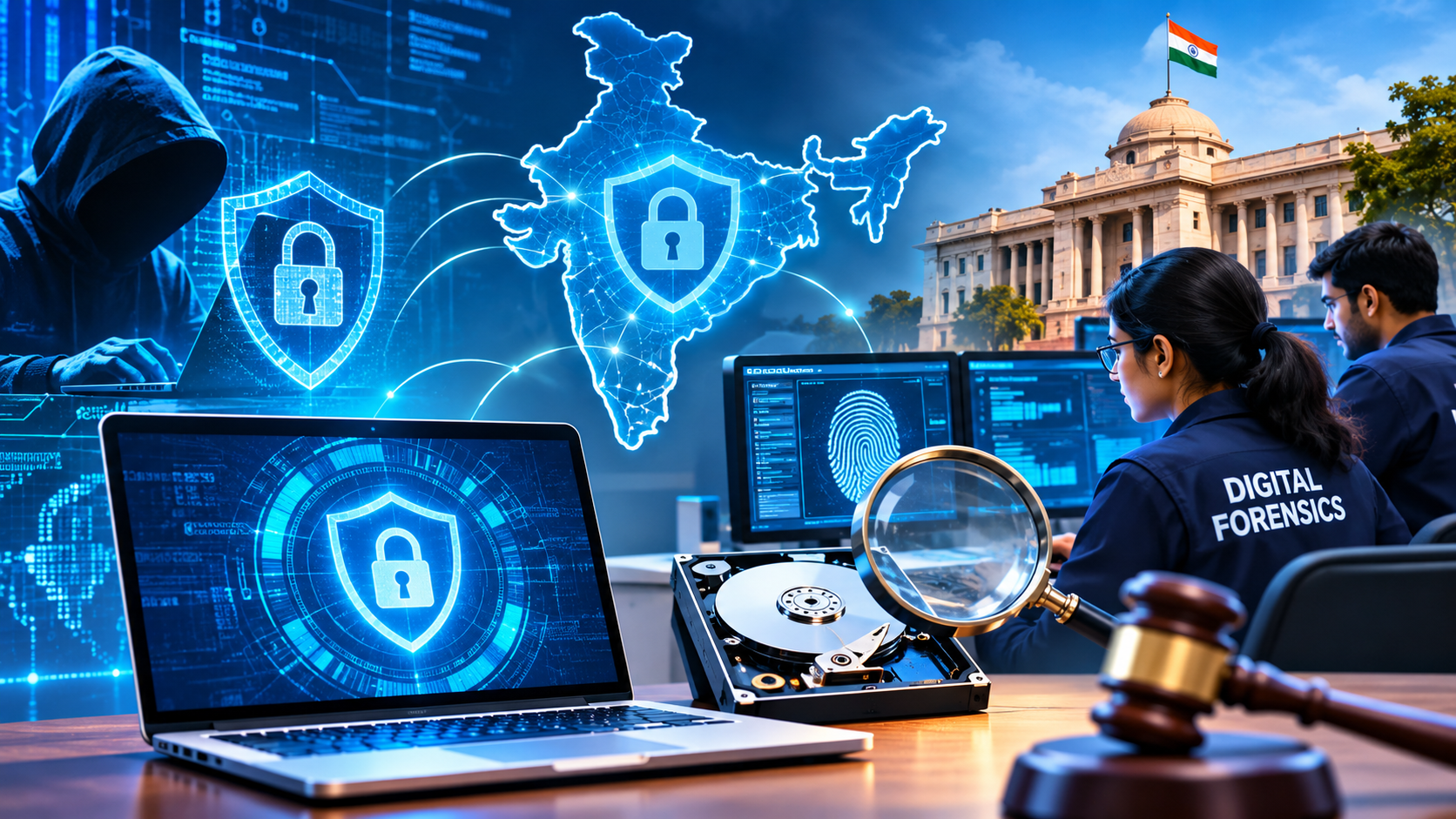
India is strengthening its cybersecurity and digital forensics ecosystem through improved cybercrime investigation facilities, advanced technologies, professional training and cooperation between government agencies.
In 2026, the government highlighted several initiatives, including the expansion of National Cyber Forensic Laboratories, cybersecurity capacity-building programmes and collaborations involving the National Forensic Sciences University (NFSU).
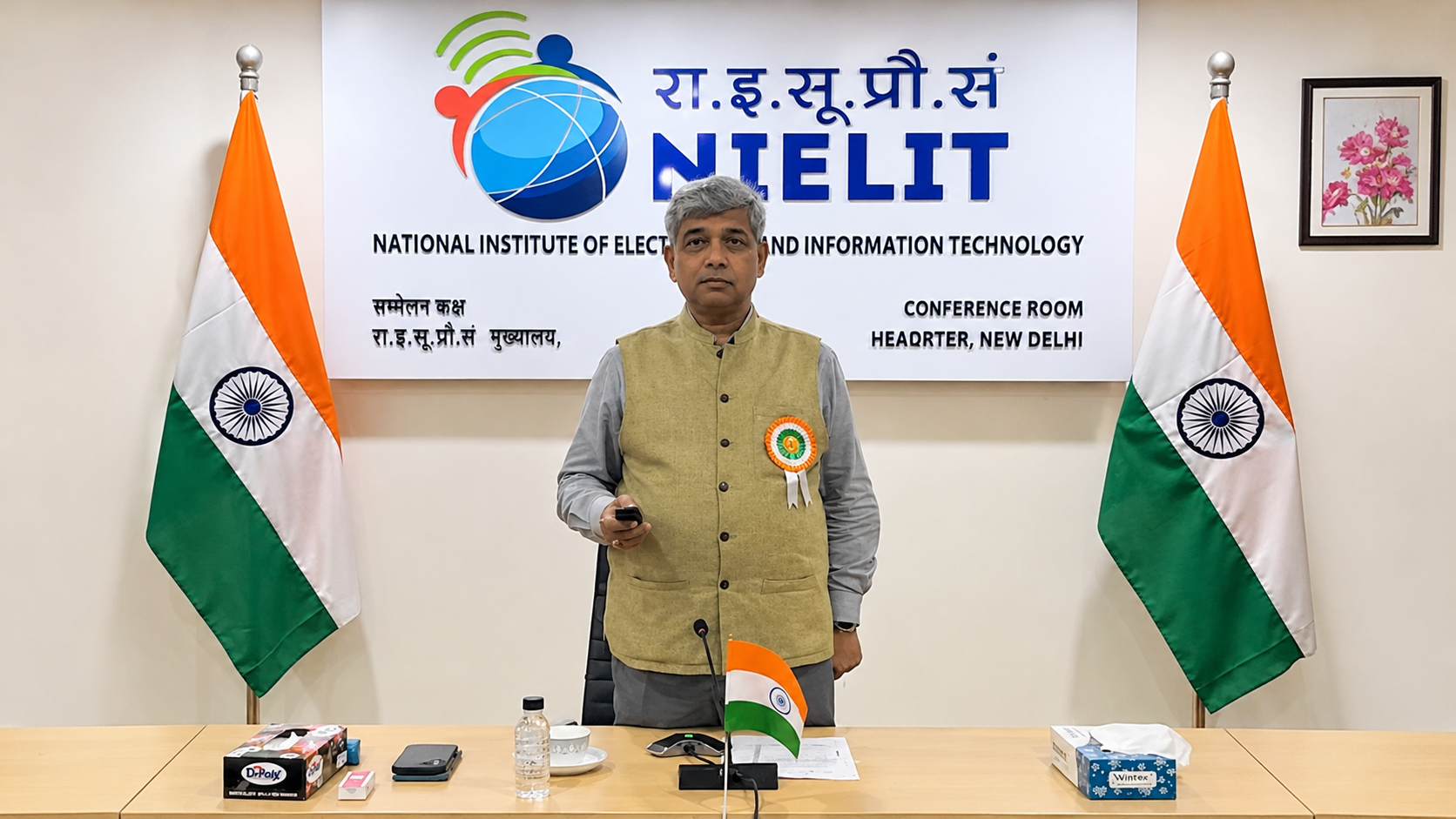
The 3rd National Conference on Cyber Security, Digital Forensics and Intelligence (NCCDFI 2026) also provides a platform for discussing emerging cyber threats, artificial intelligence security and digital investigation technologies.
Background
India's rapid digital transformation has increased the importance of protecting financial transactions, personal information, government databases and critical infrastructure.
Cyber threats such as phishing, ransomware, identity theft, financial fraud and AI-generated deepfakes create challenges for citizens, businesses and law enforcement agencies.
To address these threats, India has developed an institutional framework involving CERT-In, I4C, NCIIPC, NFSU and specialised cyber forensic laboratories.
Key Highlights
1. CERT-In Strengthens Cybersecurity
The Indian Computer Emergency Response Team (CERT-In) is the national agency responsible for responding to cybersecurity incidents.
According to a January 2026 PIB report, CERT-In handled more than 29.44 lakh cybersecurity incidents in 2025 and issued 1,530 alerts, 390 vulnerability notes and 65 advisories.
2. Expansion of Cyber Forensic Laboratories
The government approved six National Cyber Forensic Laboratories within Central Forensic Science Laboratories at Delhi, Kamrup, Bhopal, Pune, Chandigarh and Kolkata.
The total approved financial outlay is ₹126.84 crore. As reported in March 2026, the facilities at Delhi and Kamrup were operational, while the remaining laboratories were being established.
3. Strengthening Digital Investigation
The Indian Cyber Crime Coordination Centre (I4C), under the Ministry of Home Affairs, supports coordination between law enforcement agencies.
National-Digital Investigation Support Centres provide technical assistance in examining digital evidence and investigating cybercrime.
4. Cybersecurity Training and Skill Development
The CyTrain platform provides online training for police and judicial officers in cybercrime investigation, digital forensics and prosecution.
The Cyber Commando programme also focuses on developing specialised professionals capable of responding to complex cybersecurity threats.
5. UIDAI–NFSU Collaboration
In May 2026, the Unique Identification Authority of India (UIDAI) and National Forensic Sciences University (NFSU) announced a five-year collaboration.
The partnership covers cybersecurity audits, digital forensic research, infrastructure development and emerging technologies such as artificial intelligence, blockchain and deepfake detection.
Important Facts for Competitive Exams
1. CERT-In
CERT-In functions under the Ministry of Electronics and Information Technology (MeitY). It is the national agency for cybersecurity incident response under Section 70B of the Information Technology Act, 2000.
2. Indian Cyber Crime Coordination Centre (I4C)
I4C operates under the Ministry of Home Affairs and coordinates efforts against cybercrime. It became an attached office of the ministry on 1 July 2024.
3. National Critical Information Infrastructure Protection Centre (NCIIPC)
NCIIPC is the national nodal agency responsible for protecting critical information infrastructure under Section 70A of the Information Technology Act, 2000.
4. Digital Forensics
Digital forensics is the scientific examination of electronic evidence from computers, smartphones, servers and other digital devices. It supports cybercrime investigation and legal proceedings.
5. National Cybercrime Reporting Portal
Citizens can report cybercrime through cybercrime.gov.in. The national helpline number 1930 is used for reporting financial cyber fraud.
6. National Forensic Sciences University (NFSU)
NFSU is an institution of national importance headquartered in Gandhinagar, Gujarat. It specialises in forensic science, cybersecurity, digital investigation and related professional education.
Quick Revision
CERT-In: National cybersecurity incident response agency.
CERT-In Ministry: MeitY.
I4C Ministry: Ministry of Home Affairs.
NCIIPC: Protection of critical information infrastructure.
Cybercrime Helpline: 1930.
Cybercrime Portal: cybercrime.gov.in.
NFSU Headquarters: Gandhinagar, Gujarat.
2025 Cyber Incidents Handled by CERT-In: Over 29.44 lakh.
Approved Cyber Forensic Laboratories: Six, with an outlay of ₹126.84 crore.
NCCDFI 2026: Third National Conference on Cyber Security, Digital Forensics and Intelligence.