RBI Simplifies International Trade in Services Reporting 2026: New ₹10 Lakh Threshold Under FEMA
Key points
Why in the News?
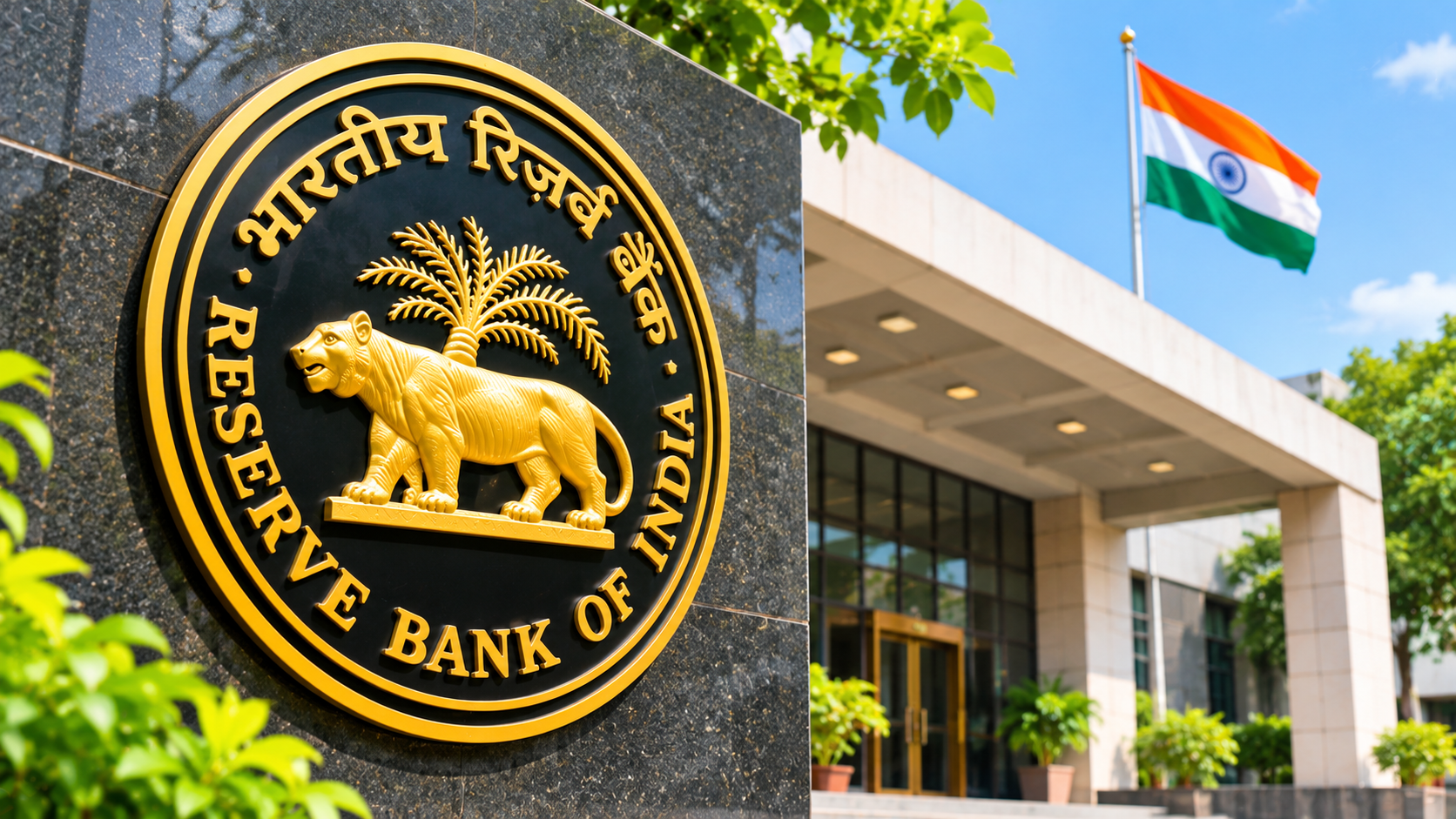
The Reserve Bank of India (RBI) has simplified reporting requirements for India's international trade in services by introducing new relaxations for service exporters and importers.
The changes were notified on 2 November 2026 through the Foreign Exchange Management (Export and Import of Goods and Services) (Second Amendment) Regulations, 2026.
The amendments introduce a ₹10 lakh threshold for certain reporting requirements and simplify the Export Declaration Form (EDF) process for resident individuals, including freelancers and independent professionals.
The revised regulations have come into effect retrospectively from 1 October 2026.
The move aims to reduce compliance requirements, simplify foreign exchange transactions and facilitate international trade in services.
Key Highlights
Particulars | Details |
|---|---|
Regulatory Authority | Reserve Bank of India |
Regulation | FEMA (Second Amendment) Regulations, 2026 |
Notification Date | 2 November 2026 |
Effective Date | 1 October 2026 |
Reporting Threshold | ₹10 Lakh |
Export Reporting Form | Export Declaration Form (EDF) |
Import Reporting System | Import Data Processing and Monitoring System (IDPMS) |
Main Beneficiaries | Freelancers, Professionals and Businesses |
Main Objective | Simplification of Foreign Exchange Reporting |
What Are the New RBI Reporting Rules?
The RBI has introduced two major changes relating to the export and import of services.
1. Simplified Export Declaration Form (EDF)
Under the amended regulations, resident individuals exporting services will be considered to have submitted the Export Declaration Form once they provide the required payment information to their Authorised Dealer (AD) bank.
This means eligible individuals do not need to submit a separate EDF when the prescribed information has already been provided through their bank.
Who Will Benefit?
Freelancers working with foreign clients.
Software developers.
Digital marketing professionals.
Consultants.
Online educators.
Graphic designers.
Independent professionals.
Important: The simplified EDF provision for resident individuals does not specify a ₹10 lakh transaction ceiling.
2. ₹10 Lakh Threshold for Other Service Exporters
The RBI has extended the simplified EDF mechanism to service exporters other than resident individuals.
However, this relaxation applies only when the inward remittance for the exported service does not exceed ₹10 lakh or its equivalent in foreign currency.
For receipts exceeding ₹10 lakh, the applicable declaration requirements continue.
Changes in Reporting of Service Imports
The RBI has also revised the reporting requirements under the Import Data Processing and Monitoring System (IDPMS).
Under the amended regulations, authorised dealer banks are required to enter details of service imports into IDPMS only when both conditions are satisfied:
The importer is a person other than a resident individual.
The invoice or contract value exceeds ₹10 lakh or its equivalent in foreign currency.
Where these conditions apply, banks must enter the relevant details within five working days of receiving the information from the importer.
Reporting Requirements
Importer Category | IDPMS Reporting Requirement |
|---|---|
Resident Individual | Not required under this specific provision |
Other Importer: Up to ₹10 Lakh | Not required under this specific provision |
Other Importer: Above ₹10 Lakh | Required within five working days |
These changes relate to specified reporting obligations and do not remove other applicable foreign exchange compliance requirements.
What Is the Export Declaration Form (EDF)?
The Export Declaration Form (EDF) is used to report information about exports and the value of goods or services supplied to foreign customers.
It helps authorised banks and regulatory authorities monitor export transactions and foreign exchange receipts.
Main Objectives
Record export transaction information.
Support monitoring of foreign exchange receipts.
Improve regulatory compliance.
Maintain information on international transactions.
What Is the Import Data Processing and Monitoring System (IDPMS)?
The Import Data Processing and Monitoring System (IDPMS) is an RBI reporting and monitoring system used by authorised dealer banks for import transactions.
It helps track import-related payments and supports compliance with foreign exchange regulations.
What Is the Foreign Exchange Management Act (FEMA)?
The Foreign Exchange Management Act, 1999 is the principal legislation governing foreign exchange transactions in India.
It came into force on 1 June 2000, replacing the Foreign Exchange Regulation Act (FERA), 1973.
Major Objectives of FEMA
Facilitate external trade and payments.
Promote orderly development of India's foreign exchange market.
Regulate foreign exchange transactions.
Establish a framework for cross-border payments and receipts.
The RBI plays an important regulatory role in implementing FEMA provisions.
Why Has the RBI Simplified These Rules?
1. Reducing Compliance Burden
The amendments simplify documentation requirements for eligible service exporters and importers.
2. Supporting Freelancers
Individuals receiving payments from international clients can benefit from simplified export declaration procedures.
3. Encouraging International Trade
Reduced administrative requirements can make cross-border service transactions easier.
4. Supporting Digital Services
The changes are relevant to software development, consulting, digital marketing and other services delivered internationally.
5. Improving Regulatory Efficiency
The revised thresholds allow reporting requirements to focus more closely on specified transactions while retaining regulatory oversight.
Importance for India's Economy
India is a major exporter of services, particularly in information technology, business services and professional consulting.
Simplifying foreign exchange reporting can support businesses and professionals participating in international markets.
The amendments may also reduce transaction-related administrative costs for smaller service exporters and importers.
Conclusion
The RBI's November 2026 amendments represent an important step towards simplifying India's international trade in services.
By introducing a ₹10 lakh threshold for specified business transactions and simplifying EDF compliance for resident individuals, the RBI aims to reduce reporting burdens while maintaining foreign exchange regulation under FEMA.