UP Voter List Revision 2026: 2.4 Crore Gap Between Panchayat and Assembly Rolls
Key points
Why in the News?
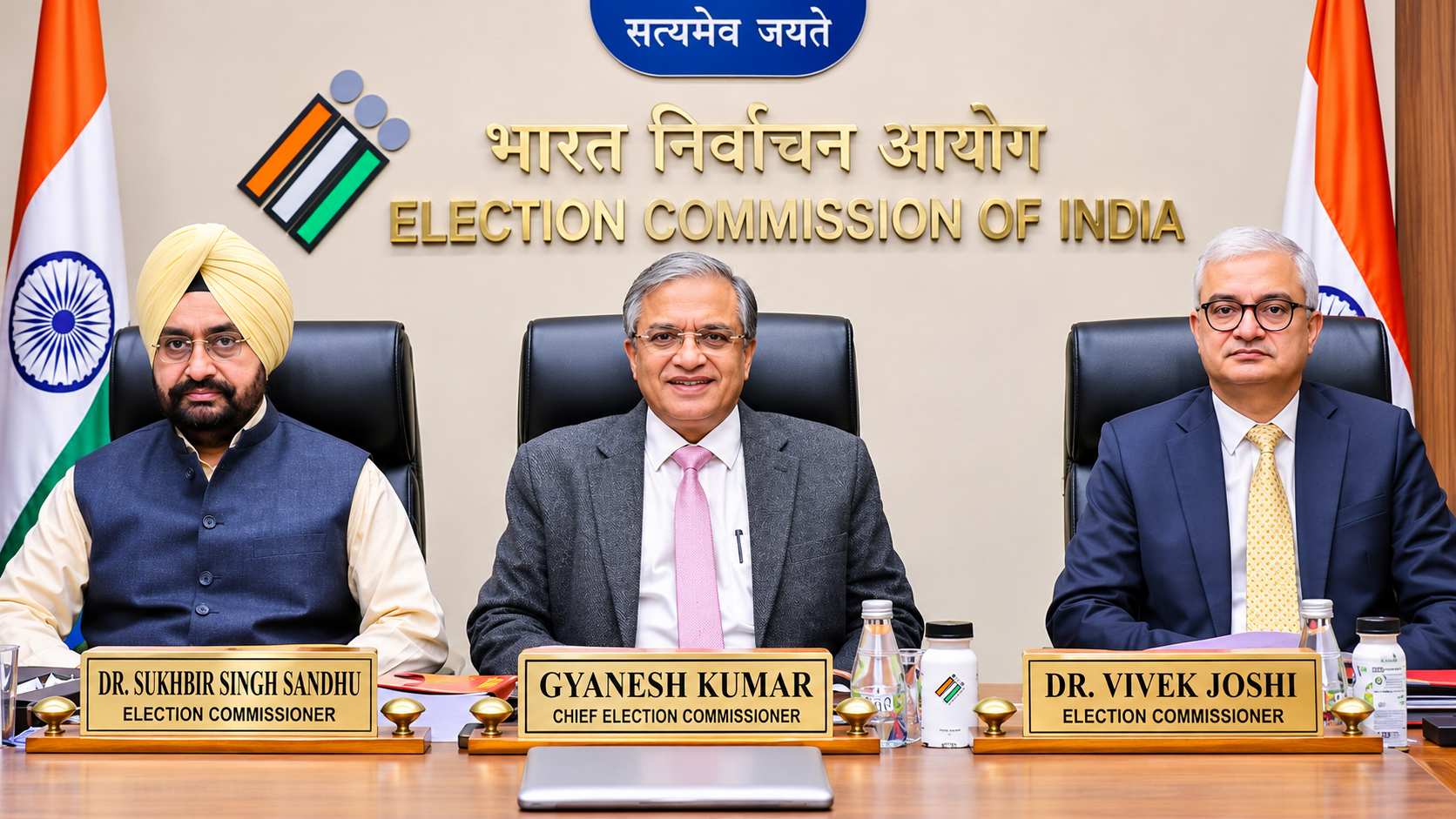
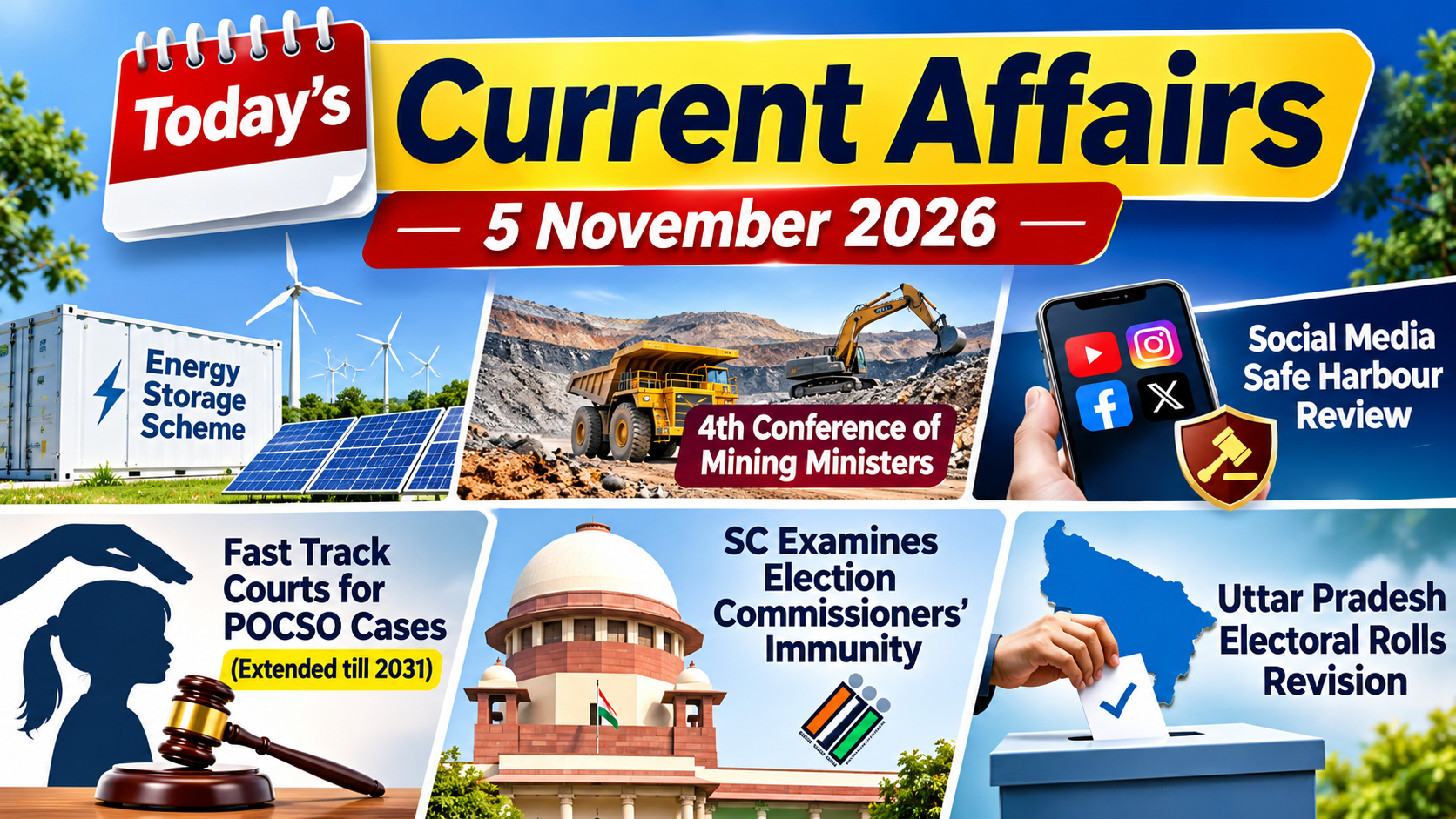
The Election Commission of India (ECI) has directed officials in Uttar Pradesh to compare Assembly electoral rolls with Panchayat and Urban Local Body voter lists after a difference of approximately 2.4 crore voters was identified between rural Assembly and Panchayat electoral records.
The exercise aims to identify eligible citizens missing from Assembly voter lists ahead of the 2027 Uttar Pradesh Assembly Elections.
Key Highlights
Particulars | Details |
|---|---|
State | Uttar Pradesh |
Electoral Authority | Election Commission of India |
State Chief Electoral Officer | Navdeep Rinwa |
Main Issue | Difference between Panchayat and Assembly electoral rolls |
Rural Voter Gap | Approximately 2.38 crore |
Panchayat Electoral Roll | Approximately 12.58 crore voters |
Rural Assembly Electoral Roll | Approximately 10.20 crore voters |
Revision Exercise | Special Summary Revision (SSR) 2027 |
Qualifying Date | 1 January 2027 |
SSR Starting Date | 12 November 2026 |
Why Are the Electoral Rolls Different?
1. Different Electoral Authorities
Election Commission of India (ECI): Prepares electoral rolls for Lok Sabha and State Assembly elections.
State Election Commission (SEC): Supervises Panchayat and Urban Local Body elections.
2. Different Revision Processes
Electoral rolls are prepared and revised separately by the two authorities, which can lead to differences in voter records.
3. Missing Eligible Voters
Officials will compare the lists to identify eligible citizens who may not be registered in Assembly constituencies.
Important: The numerical difference does not automatically mean that 2.4 crore eligible voters have been wrongly excluded. Individual records must be verified.
What Steps Will Be Taken?
The Uttar Pradesh Chief Electoral Officer has directed District Election Officers to take several measures:
Electoral Roll Matching: Compare Panchayat, Urban Local Body and Assembly voter lists.
Form 6 Registration: Help eligible citizens missing from Assembly rolls apply for registration.
Women Voter Enrolment: Involve ASHA workers, ANMs, Anganwadi workers and women's self-help groups.
Youth Voter Registration: Coordinate with educational institutions and Electoral Literacy Clubs.
Verification: Review voter registration applications and ensure that only eligible citizens are enrolled.
Constitutional Background
Article | Provision |
|---|---|
Article 324 | Election Commission of India |
Article 325 | One general electoral roll; prohibition of exclusion on specified grounds |
Article 326 | Adult suffrage for Lok Sabha and Assembly elections |
Article 243K | State Election Commission for Panchayat elections |
Article 243ZA | State Election Commission for Municipal elections |
Important Facts for Competitive Exams
Election Commission of India Established: 25 January 1950.
Voting Age in India: 18 years.
61st Constitutional Amendment Act, 1988: Reduced the voting age from 21 to 18 years.
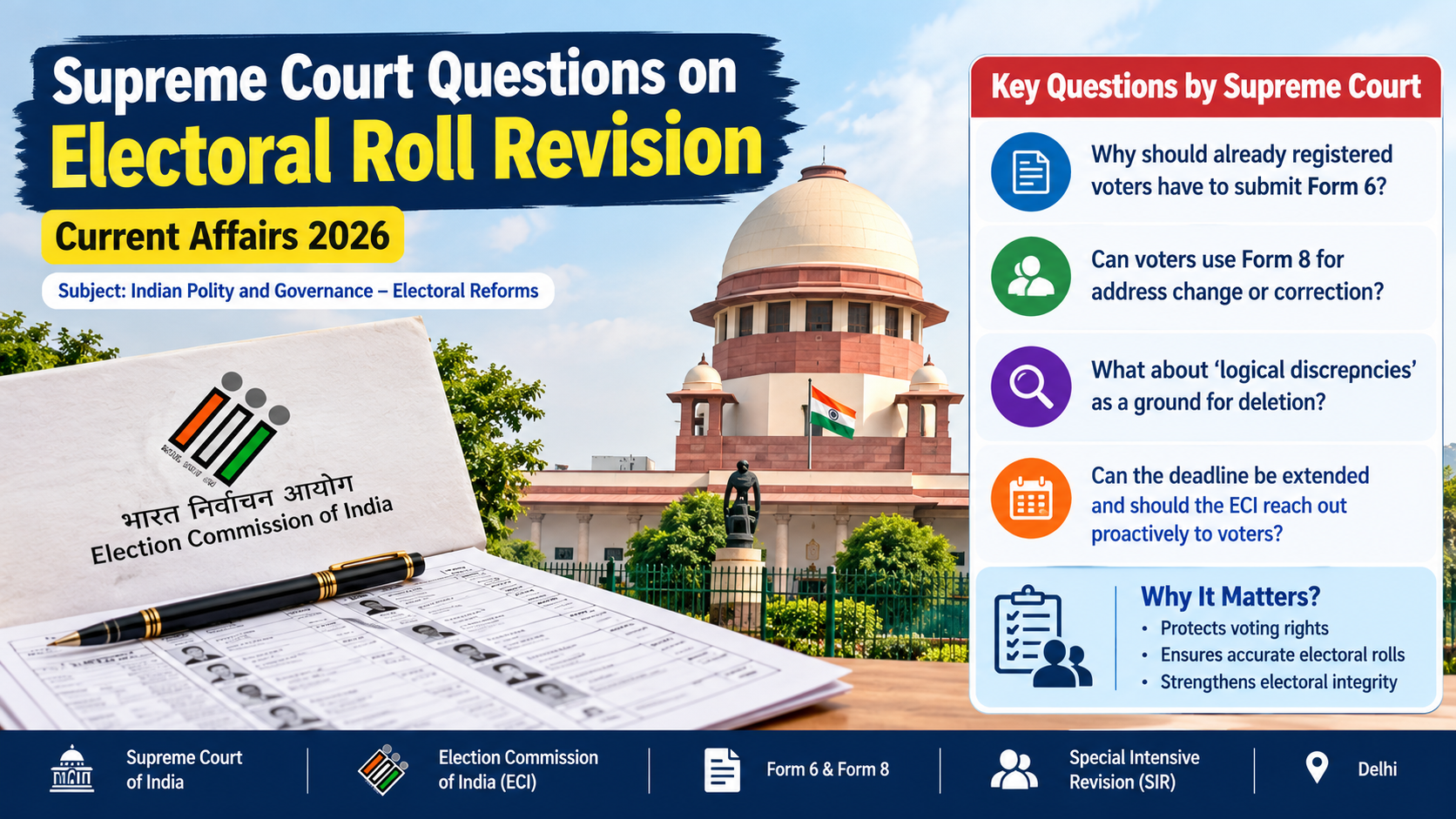
Form 6: Application for new voter registration.
Form 7: Application for objection to inclusion or deletion of a name.
Form 8: Application for correction, shifting of residence and other specified updates.
Special Summary Revision: An electoral roll revision process that includes publication of draft rolls, claims, objections and finalisation.
Conclusion
The Uttar Pradesh electoral roll matching exercise is intended to improve voter registration accuracy and identify eligible citizens missing from Assembly electoral rolls.
The initiative is particularly important ahead of the 2027 Assembly elections, with a focus on enrolling eligible women, young voters and other underrepresented groups.