H5N1 Bird Flu Confirmed in Cuddalore, Tamil Nadu
Key points
In the News
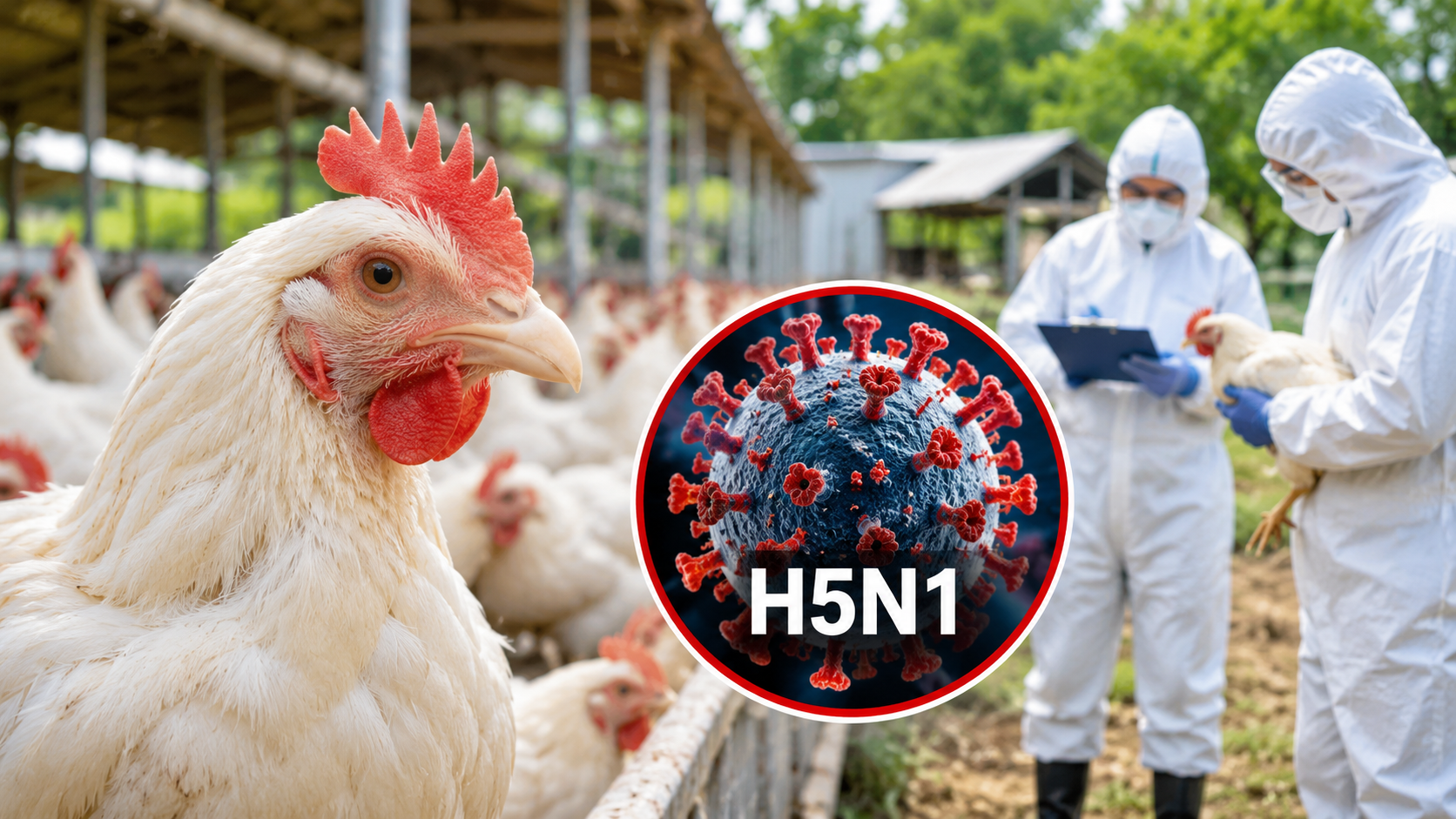
The Highly Pathogenic Avian Influenza (H5N1) virus, commonly known as bird flu, was confirmed at a poultry farm in Kattiyankuppam village, Cuddalore district, Tamil Nadu, on 13 November 2026.
According to the Tamil Nadu Animal Husbandry and Veterinary Services Department, approximately 35,647 poultry birds have died in the affected region. Authorities have initiated emergency containment measures, including culling, surveillance and disinfection, to prevent further transmission.
Background
Avian Influenza is a highly contagious viral disease that primarily affects domestic poultry and wild birds. It is caused by influenza A viruses, including the H5N1 subtype.
The outbreak in Cuddalore was first reported on 30 October 2026, when sudden poultry deaths occurred at a farm in Thamanampatti village.
Samples collected from affected birds were sent for laboratory testing. The National Institute of High Security Animal Diseases (NIHSAD), Bhopal, confirmed the presence of H5N1 on 13 November 2026.
Key Highlights
Disease: Highly Pathogenic Avian Influenza (H5N1).
Affected State: Tamil Nadu.
Affected District: Cuddalore.
Confirmed Location: Kattiyankuppam village, Kurinjipadi taluk.
Confirmation Date: 13 November 2026.
Bird Deaths: Approximately 35,647.
Confirming Laboratory: NIHSAD, Bhopal.
Rapid Response Teams: Nine teams deployed.
Containment Zone: Affected farm and surrounding 1-km radius.
Culling Operations: Approximately 1,550 birds had been culled, with further operations underway.
Preventive Measures: Movement restrictions, farm disinfection, surveillance and safe disposal of infected birds.
Restocking Restrictions: Poultry farms in the affected area have been instructed not to restock birds for three months.
Important Facts for Competitive Exams
1. H5N1 Virus: H5N1 is a subtype of influenza A virus. The letters H and N represent two surface proteins: Haemagglutinin (H) and Neuraminidase (N), which are used to classify influenza viruses.
2. Highly Pathogenic Avian Influenza (HPAI): HPAI refers to avian influenza viruses that cause severe disease and high mortality in poultry. These viruses can spread rapidly among birds and cause significant economic losses.
3. National Institute of High Security Animal Diseases (NIHSAD): Located in Bhopal, Madhya Pradesh, NIHSAD is an important laboratory under the Indian Council of Agricultural Research (ICAR) responsible for diagnosing high-risk animal diseases, including avian influenza.
4. Zoonotic Diseases: Zoonotic diseases are infections that can spread between animals and humans. H5N1 can infect humans, particularly following close exposure to infected birds or contaminated environments, although human infections remain relatively uncommon.
5. One Health Approach: One Health is an integrated approach recognising the connection between human, animal and environmental health. It promotes coordinated surveillance and disease prevention to control zoonotic infections.
Quick Revision
Particulars | Details |
|---|---|
Disease | Avian Influenza (H5N1) |
Common Name | Bird Flu |
State | Tamil Nadu |
District | Cuddalore |
Confirmed On | 13 November 2026 |
Bird Deaths | 35,647 |
Confirming Laboratory | NIHSAD, Bhopal |
Rapid Response Teams | 9 |
Containment Radius | 1 km |
Virus Family | Orthomyxoviridae |
Disease Type | Zoonotic Viral Disease |