WMO Climate Report 2026: World on Track for One of the Four Warmest Years on Record
Key points
Why in the News?
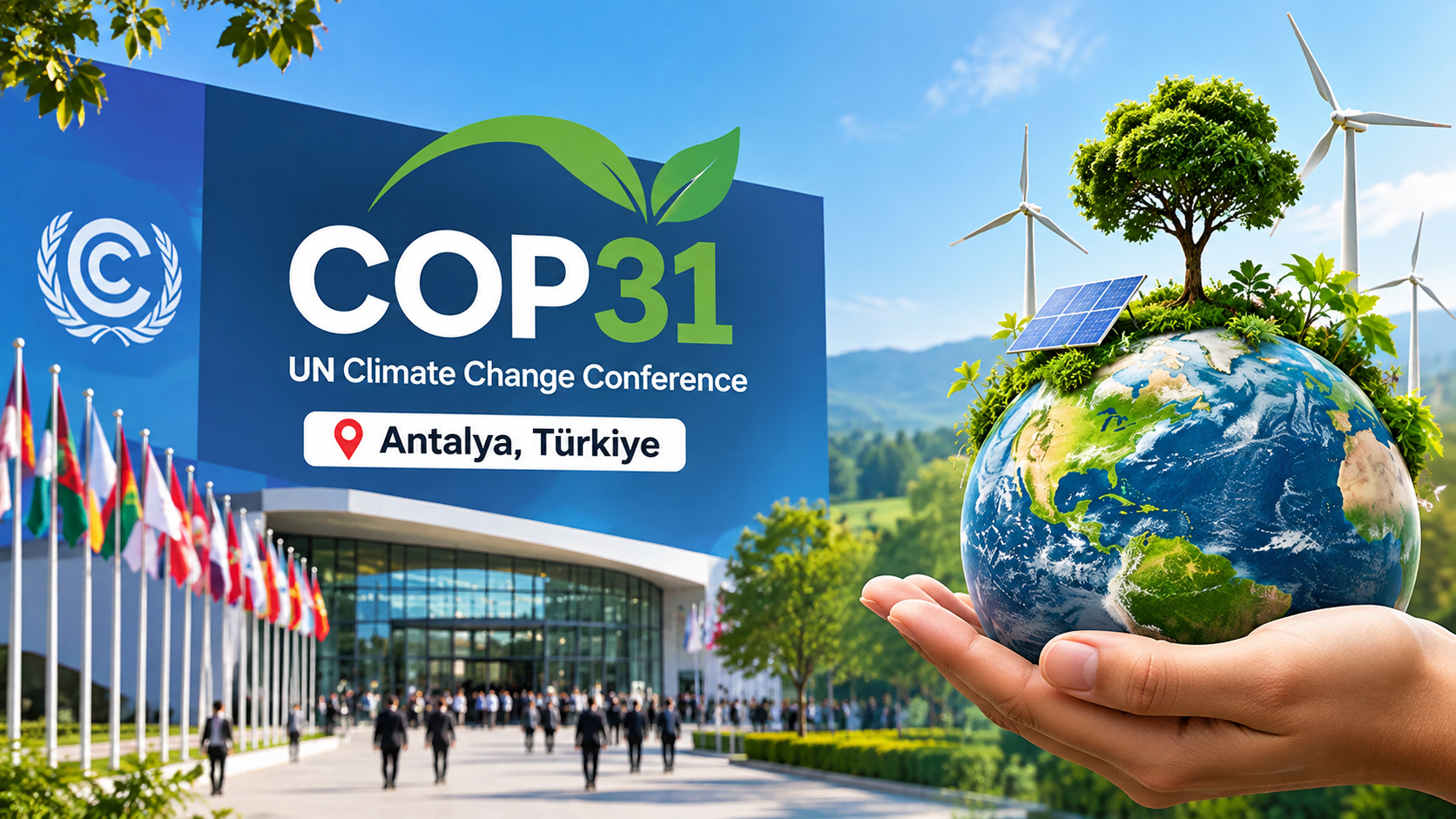
The World Meteorological Organization (WMO) released its State of the Climate Update 2026 on 9 November 2026, coinciding with the opening of the COP31 UN Climate Change Conference in Antalya, Türkiye.
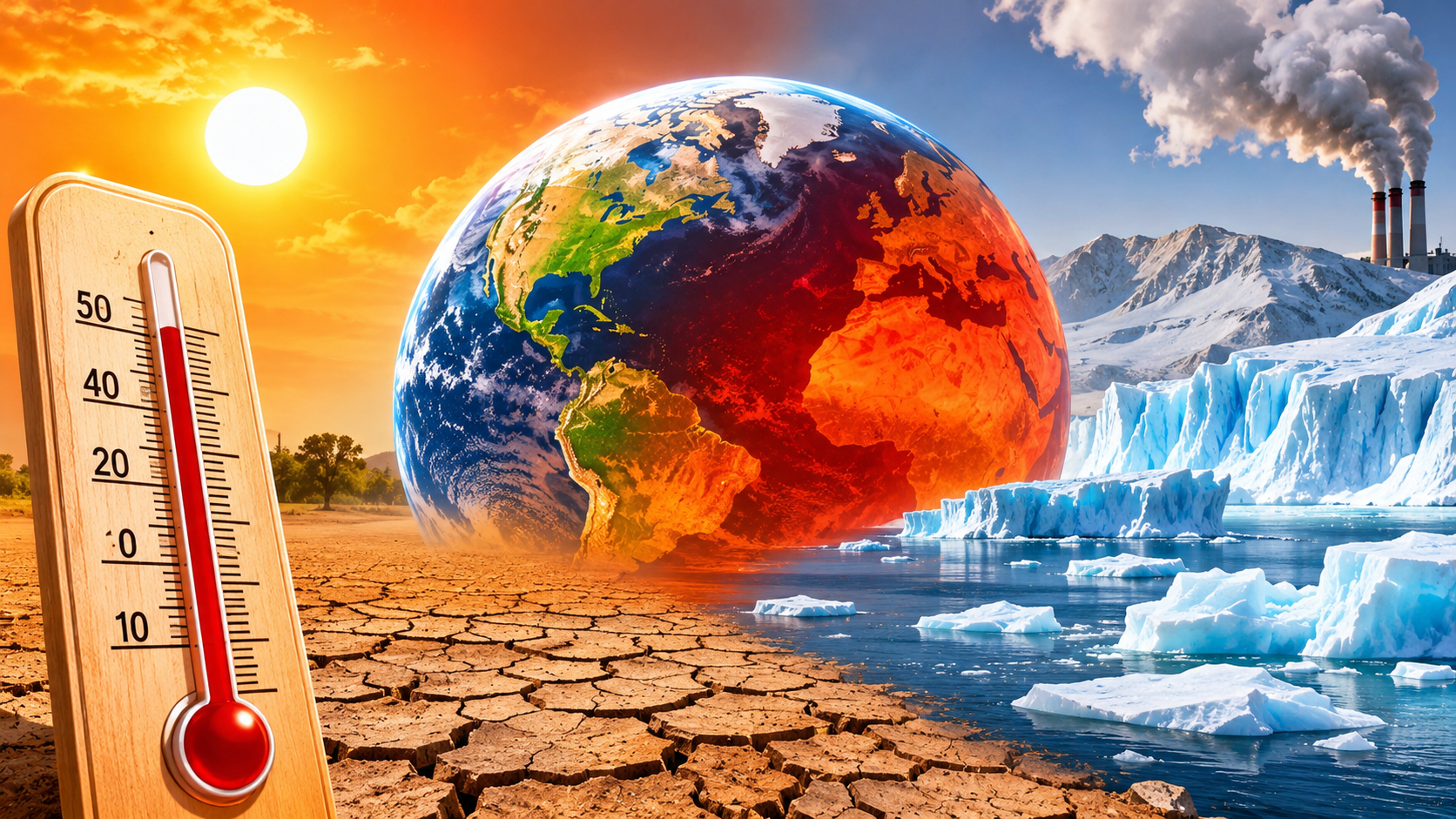
According to the report, 2026 is on track to become one of the four warmest years ever recorded, with the global average surface temperature during January–September 2026 approximately 1.47°C above pre-industrial levels (1850–1900).
The report warned that rising greenhouse gas concentrations, record ocean warming, melting glaciers and a strengthening El Niño are increasing the frequency and severity of extreme weather events worldwide.
Key Findings of the WMO Climate Report 2026
The WMO report highlighted several concerning developments in the global climate system.
Climate Indicator | Major Finding |
|---|---|
Global Temperature (Jan–Sep 2026) | 1.47°C above pre-industrial levels |
Warmest Years | 2023–2026 expected to be the four warmest |
Ocean Heat | On track for the 10th consecutive record year |
Global Sea Level | Record high in 2026 |
Atmospheric CO₂ (2025) | Approximately 426.8 ppm |
Glacier Ice Loss (2025) | More than 400 billion tonnes |
Major Climate Driver | Greenhouse gas emissions and strengthening El Niño |
The findings demonstrate the continuing accumulation of heat in the atmosphere, oceans and Earth's climate system.
Global Temperature Rise and the Paris Agreement
The Paris Agreement, adopted in 2015, aims to keep the increase in global average temperature well below 2°C above pre-industrial levels while pursuing efforts to limit warming to 1.5°C.
The WMO reported that the January–September 2026 global temperature was approximately 1.47°C above the pre-industrial average.
Although a single year approaching or exceeding 1.5°C does not automatically mean that the long-term Paris Agreement threshold has been crossed, it highlights the urgency of reducing greenhouse gas emissions.
Role of El Niño in Global Warming
El Niño is a climate phenomenon associated with unusually warm sea-surface temperatures in the central and eastern equatorial Pacific Ocean.
It can influence weather patterns across the world, affecting rainfall, temperatures, droughts and tropical cyclones.
The WMO reported that El Niño strengthened during 2026 and could continue influencing global temperatures and extreme weather conditions into 2027.
However, long-term global warming is primarily driven by human-produced greenhouse gas emissions, while El Niño adds temporary warming.
Rising Ocean Temperatures and Sea Levels
The report identified continued ocean warming as one of the most serious indicators of climate change.
Oceans absorb approximately 90% of the excess heat trapped by greenhouse gases.
Increasing ocean temperatures contribute to:
Thermal expansion of seawater and rising sea levels.
Melting glaciers and polar ice sheets.
Marine heatwaves and coral bleaching.
Stronger rainfall associated with some tropical storms.
Disruption of marine ecosystems and fisheries.
The report also highlighted record-high global mean sea levels and continuing glacier retreat.
Climate Change and Its Impact on India
India is particularly vulnerable to climate change because of its large population, dependence on monsoon rainfall, extensive coastline and agricultural economy.
Major risks include:
Heatwaves: Increasing risks to human health and labour productivity.
Monsoon Variability: Unpredictable rainfall affecting agriculture and water resources.
Himalayan Glacier Melting: Greater risks of glacial lake outburst floods and changes in river flows.
Coastal Flooding: Rising sea levels threatening coastal cities and infrastructure.
Agricultural Losses: Extreme weather affecting crop production and food security.
The WMO report estimated that approximately 146.5 million people in India were exposed to extreme heat during an April 2026 heatwave.
Significance of COP31 Climate Conference
The 31st Conference of the Parties (COP31) to the United Nations Framework Convention on Climate Change opened in Antalya, Türkiye, on 9 November 2026.
The conference provides a platform for countries to discuss international climate action, including:
Reducing greenhouse gas emissions.
Strengthening climate adaptation measures.
Mobilising climate finance for developing countries.
Supporting renewable energy and sustainable development.
Improving early-warning systems and climate resilience.
The WMO report provides scientific evidence to support international climate negotiations.
Important Facts for Exams
Report Name: State of the Climate Update 2026.
Released By: World Meteorological Organization (WMO).
Release Date: 9 November 2026.
Global Temperature Rise (Jan–Sep 2026): 1.47°C above pre-industrial levels.
Pre-industrial Baseline: 1850–1900.
Warmest Four Years: 2023–2026.
COP31 Host Country: Türkiye.
COP31 Host City: Antalya.
WMO Established: 23 March 1950.
WMO Headquarters: Geneva, Switzerland.
World Meteorological Day: 23 March.
Paris Agreement Adopted: 2015.
Paris Agreement Temperature Goal: Well below 2°C, with efforts to limit warming to 1.5°C.
El Niño: Warming phase of the El Niño–Southern Oscillation (ENSO).
UNFCCC: United Nations Framework Convention on Climate Change.
SDG 13: Climate Action.