
LIC AAO Mock Tests: Online Practice for Prelims and Mains
Timed prelims and mains practice with section-wise analysis to build speed, accuracy and exam stamina.
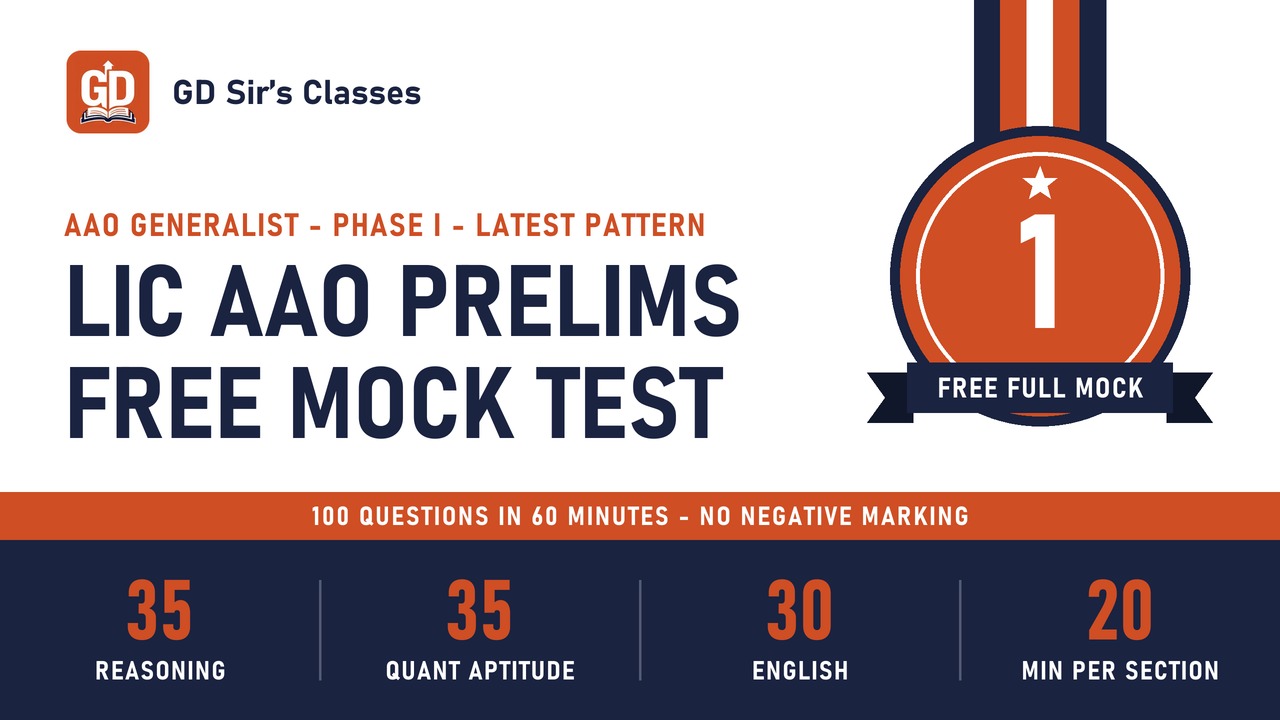
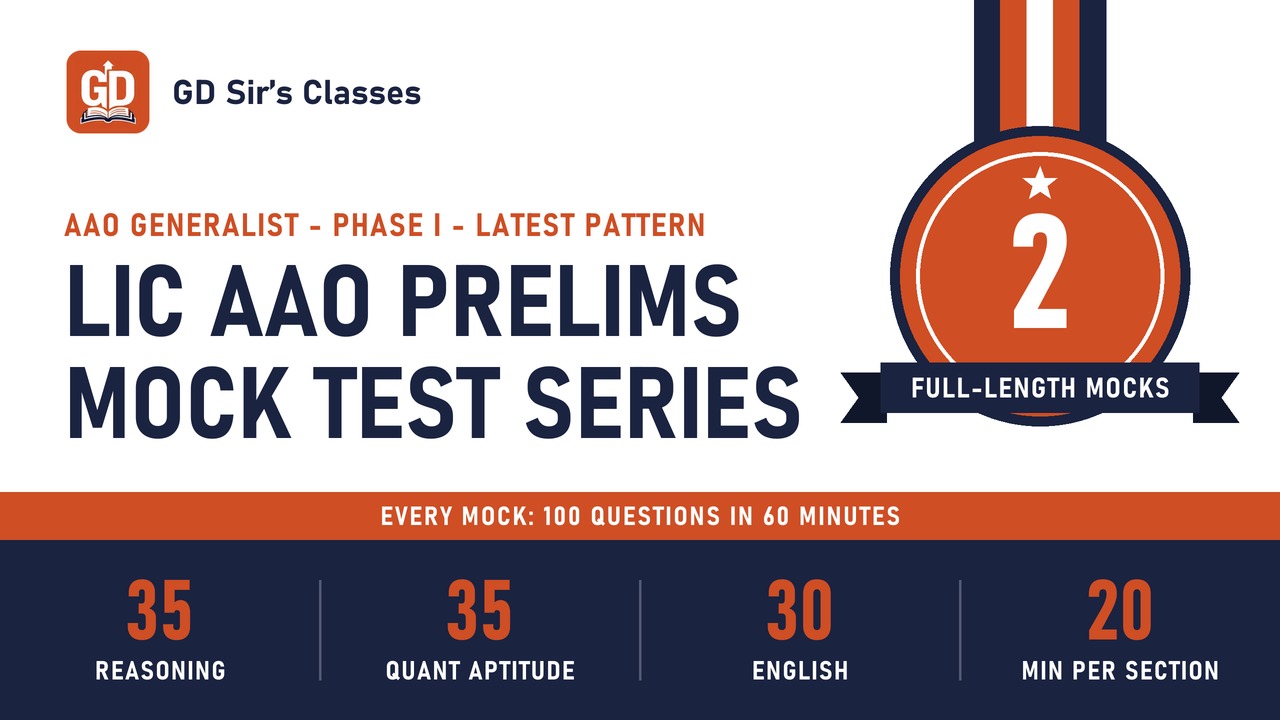
An LIC AAO mock test is the closest you can get to the real exam before the day. The LIC AAO exam is an online, sectionally timed test with sectional minimum marks, so you need to practise the format as much as the topics. A good mock test series helps you learn how to split time, which questions to leave for later and where you lose marks.
This page explains the types of tests to look for, how to schedule them, how to analyse each attempt and which mistakes to avoid. Tests on Testkart are created and published by independent educators, so the format, difficulty and number of tests can differ from one series to another. Compare a few before you commit to one.
Types of Tests to Look For
Test type | What it covers | When to take it |
|---|---|---|
Topic-wise tests | One topic, such as seating arrangement or caselet DI | While learning a topic |
Sectional tests | One full section with its real time limit | After finishing a subject |
Prelims full-length tests | Reasoning, quant and English in the real order and timing | In the second half of preparation |
Mains full-length tests | Reasoning, general awareness, DI and insurance awareness | In the last phase |
Descriptive practice | Typed letters, emails, reports and precis | Weekly, from mid-preparation |
Current affairs and insurance awareness quizzes | Monthly news and core insurance concepts | Every week |
What a Good Mock Test Should Match
Check the test against the latest official pattern before you start. The most recent verified cycle used an online prelims with three timed sections, a mains with four timed objective sections and a typed descriptive paper. Look for these features:
Section-wise timers: Each section should have its own clock, as in the real exam.
Current pattern: The mains should include data analysis and insurance and financial market awareness, not an old pattern.
Detailed solutions: Every question should have a worked explanation, not only the answer key.
Performance analysis: Section-wise scores, accuracy, attempts and time per question.
Fresh current affairs: Awareness tests that are updated every month.
How to Use Mock Tests in Your Preparation
Start with topic tests: Take short tests as soon as you finish a topic, and revise from the solutions.
Add sectional tests: Take two or three each week in your weakest sections, with the real time limit.
Begin full-length prelims tests: Take one a week at first, then two a week as the exam nears.
Add mains tests: Take one full mains every week in the last phase, followed by typed descriptive practice.
Keep the last week light: Revise your error log and attempt only a few tests, so you stay fresh.
How to Analyse a Mock Test
A mock is useful only when you review it. Spend at least as long on the analysis as on the test.
Wrong answers: Note whether the cause was a concept gap, a careless slip or a misread question.
Slow questions: Mark the ones that took far longer than average and find a shorter method.
Skipped but solvable: Check which skipped questions you could have solved, and why you left them.
Guessed questions: Track how many guesses were right, and whether guessing helped or wasted time.
Record each finding in an error log and revise it weekly.
Benchmarks to Track
Metric | What it tells you |
|---|---|
Sectional score against the sectional minimum | Whether you are safe in every section, not only overall |
Accuracy | How many attempted questions were correct |
Attempts per section | Whether speed is limiting your score |
Time per section | Whether you finish within the section timer |
Score trend over four to six tests | Whether you are improving, not just one result |
Common Mistakes to Avoid
Taking tests without review: Many tests with little analysis add stress, not skill.
Ignoring sectional minimums: A high total can still fail if one section is low.
Skipping the descriptive paper: Typed writing needs regular practice.
Using outdated series: Check that the test follows the latest pattern.
Starting full-length tests too late: You need time to fix what the tests reveal.